
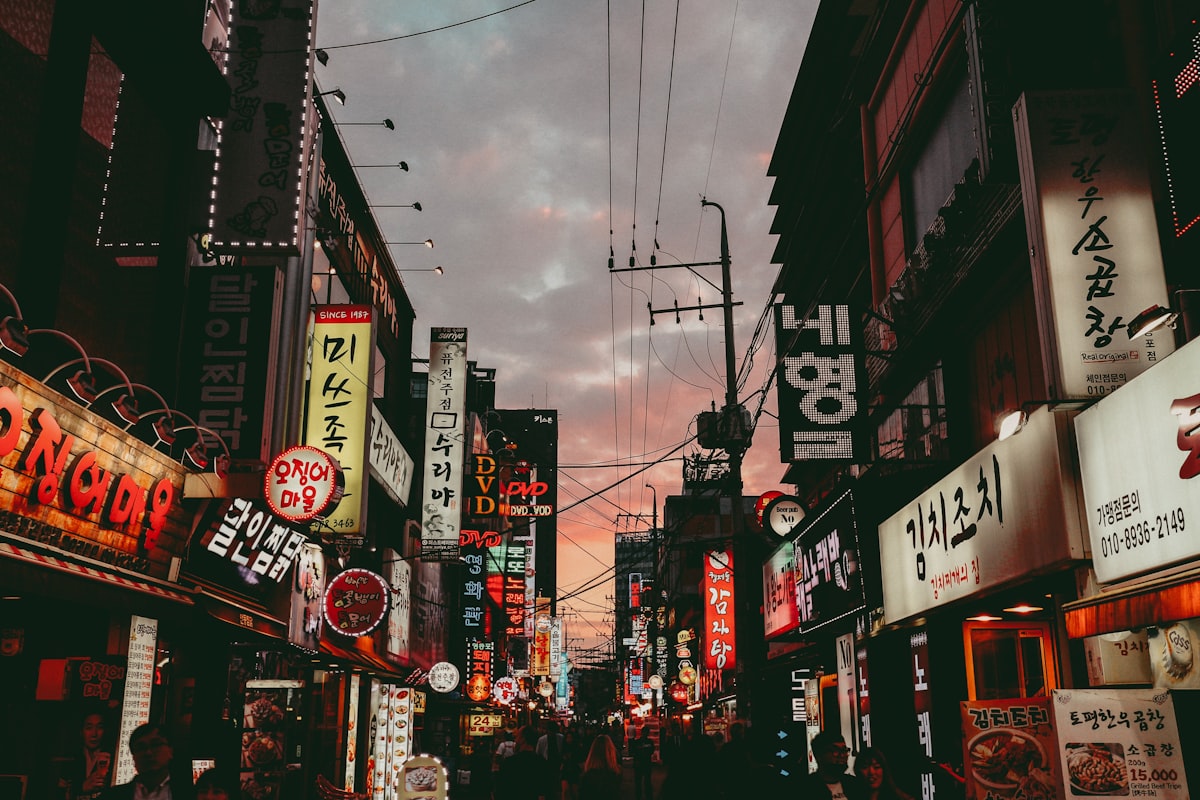
Want to visit South Korea but don’t know how to plan your trip? This 5-day/4-night independent travel guide to South Korea will help you organize everything from air tickets, accommodation, transportation to attractions and local cuisine in one place! Whether you’re a first-time visitor to South Korea or a repeat guest looking to relive the charm of Seoul, this handy guide will save you a lot of time researching and make your trip much easier.
Why choose a self-guided tour to South Korea?
South Korea is only about 2.5 hours away from Taiwan by flight, and given that Taiwanese citizens can enjoy a 90-day visa-free period when visiting South Korea, it can be considered one of the most convenient options for overseas travel. Seoul combines historical culture, K-pop trends, top-notch cuisine, and exciting shopping opportunities – a 5-day/4-night itinerary is just right: it allows visitors to see everything without rushing and gives them enough time to truly experience the local culture.
Essential preparations before setting off
Passports and visas
Residents of Taiwan do not need to apply for a South Korea visa; they can enter the country simply by presenting a valid passport. Important note: Starting from February 2025, it is mandatory to complete an online application on the official website of the South Korea e-entry system before entering the country. Please complete this process at least 3 days before your departure to avoid being denied boarding at the airport.
Flight ticket reservation
- Traditional airlines (EVA Air, China Airlines): Include luggage and meals; the cost for round-trip flights starts at approximately NT$9,000.
- Budget airlines (such as EVA Air and Tiger Air): The round-trip fare ranges approximately from NT$4,000 to NT$6,000 (excluding luggage fees).
- It is recommended to place your reservation 6 to 8 weeks in advance. Choosing to depart on a Thursday will allow you to enjoy lower ticket prices.
- Recommended price comparison platforms: Skyscanner, Trip.com, Google Flights
Internet and SIM cards
It is recommended to purchase a South Korea eSIM or physical SIM card through Klook or KKday before departure. Once you arrive in South Korea, you can immediately use it, thus avoiding the hassle of waiting in line at the airport. We recommend choosing the SKT eSIM, which comes with call functionality; some plans also include T-money transportation services, making it extremely convenient to use.
Exchange Korean won
It is recommended to bring Taiwanese dollars or US dollars to the exchange offices in Myeongdong, Seoul for conversion; the exchange rates there are much more favorable than those offered by the Bank of Taiwan. When using a credit card for payment, be sure to select “pay in Korean won” to avoid being charged additional fees for dynamic currency conversion.
5-day/4-night itinerary plan for Seoul, South Korea
Day 1 | Arrive in Seoul and experience Myeongdong for the first time
After arriving at Incheon International Airport, take the AREX airport express (about 43 minutes) to reach Seoul Station, and then transfer to the subway to get to your hotel. It is recommended to stay in the areas near Myeongdong or Hongdae, as the transportation there is the most convenient.
- Myeongdong: A paradise for shopping K-pop cosmetics and clothing, where you can also exchange currency conveniently.
- Cheonggyecheon Stream: It takes only 10 minutes to walk there, and the night view is truly enchanting.
- Dinner recommendations: Myeongdong barbecue, Won-dang potato and spine soup with potatoes
Day 2 | A Tour of History and Culture
Put on traditional Korean clothing and step into a palace with a history of 500 years to experience the classical charm of the Joseon Dynasty.
- Gyeongbokgung: Free admission when wearing Hanbok! You can reserve a Hanbok for rental in advance online.
- Beokchon Hanok Village: A traditional Korean hanok neighborhood – the perfect spot to check out.
- Samcheong-dong: Coffee shops with an intellectual atmosphere and various specialty stores
- Dongdaemun Design Plaza (DDP): The night view is stunning, and it is surrounded by a 24-hour shopping district.
- Dinner recommendation: Chen Yuhua’s “One Chicken”
Day 3 | Local Delicacies in the Market x the Artistic Charm of Seongsu-dong
- Gwangjang Market: Mung bean pancakes, medicinal seaweed rice buns, raw beef salad – make sure you have enough space in your stomach for these dishes!
- Seongsu-dong: Seoul’s most artsy industrial district, where every café is more beautiful than the last
- Hanang Park: In the evening, order some fried chicken and beer for takeout and experience the outdoor lifestyle that Seoulites love so much.
- Dinner recommendation: Seongsu Pig’s Feet
Day 4 | Hongdae Trends x Night Cruise on the Han River
- Hongdae: A gathering place for young people, where you can find trendy clothing, cultural and creative merchandise, as well as street performances of all kinds.
- Ewha Womans University: The campus architecture is unique and perfect for taking photos and strolling around.
- Seoul Sky Observatory at Lotte World Tower: Located at a height of 555 meters, it offers a panoramic view of Seoul.
- Night cruise on the Han River: Take a cruise boat or sit on the grounds of the Han River Park to experience the romance of Seoul at night.
Day 5 | Final purchases and the follow-up process
Seize the last day to shop wisely! We recommend visiting Lotte Mart at Seoul Station or Homeplus supermarket at Hapjeong Station to buy souvenirs. Spicy noodles, seaweed, ginseng candy, and beauty products are all popular choices. Don’t forget to claim your tax refund after shopping before heading to the airport.
Comprehensive Guide to Transportation in Seoul
Travel between the airport and the city center
- AREX Airport Express: Incheon Airport → Seoul Station, approximately 43 minutes, ticket price: ₩9,500 (approximately NT$220)
- Airport buses: These buses can take you directly to the vicinity of various major hotels, with ticket prices ranging from ₩16,000 to 18,000 (approximately NT$380 to 430).
- Chartered vehicle transportation: For groups of 3 to 4 people, this option offers excellent value for money. You can book through Klook for a fee of approximately NT$800 to NT$1,200 per vehicle.
Urban transportation
Seoul’s subway system is well-developed, and it is possible to reach almost all tourist attractions using it. You can purchase a T-money transportation card (available at convenience stores), which offers discounts when used for transfers between subways and buses.
Important reminder: Google Maps in South Korea is not very accurate for navigation. Please be sure to download Naver Map or KakaoMap (both offer Chinese-language interfaces) to avoid getting lost.
Budget for a 5-day/4-night stay (reference in Taiwanese dollars)
| Project | Costs (Taiwan dollars) | Remarks |
|---|---|---|
| Round-trip air ticket | NT$6,000 to 12,000 | Low-cost airlines ~ Traditional airlines |
| Accommodation (for 4 nights) | NT$6,000 to 12,000 | Between NT$1,500 and NT$3,000 per night. |
| Food and drinks (for 5 days) | NT$3,500 to 5,000 | Approximately NT$700 to 1,000 per day |
| transportation | NT$1,200 to 2,000 | Includes airport transportation and T-money. |
| Attraction tickets | NT$1,500 to 3,000 | Lotte World, observation decks, and more |
| Shopping gifts | NT$3,000 ~ Unlimited | Depending on your personal budget |
| Total (excluding purchases) | NT$18,200 to 34,000 | Traveling in groups of two allows for more efficient sharing of accommodation costs. |
Top 10 Must-Taste Dishes in Seoul
- Gyochon Chicken: Honey-flavored fried chicken, crispy on the outside and tender on the inside
- Tosokchon Samgye-tang: A popular restaurant with long queues near Gyeongbokgung, where the entire chicken is stewed until its bones exude fragrance.
- Gebangsikdang Pickled Crab: Chilled raw pickled crab served with rice – once you start eating it, you can’t stop.
- Chen Yuhua’s One Chicken: The chicken meat is fresh and sweet, and the broth is rich and flavorful.
- Guangcang Market’s Mung Bean Pancakes: freshly fried and hot, they taste even better when paired with Maggi wine.
- Egg Drop: The internet-famous breakfast sandwich with foamy egg sauce – worth waiting in line for.
- Chuncheon Spicy Chicken Brothsticks (닭갈비): A must-try dish in Hongdae. The spiciness is balanced with a hint of sweetness, and adding cheese makes it even more delicious.
- Marijuana-seededed seaweed rice buns in Guangzhou and Zhongshan markets: extremely affordable prices – you can’t stop eating one after another!
- Raw octopus sashimi: The first step in bravely exploring Seoul’s seafood offerings
- Characteristic cafes in different areas of Seoul: From Seongsu-dong to Hongdae and Samcheong-dong, there are countless IG-worthy cafes where you must stop by.
Frequently Asked Questions
Q1: Do people from Taiwan need to obtain a visa to go to South Korea?
Not necessary! Taiwanese citizens holding a valid Republic of China passport can enjoy visa-free access to South Korea for a period of up to 90 days. However, starting from 2025, it is required to complete an online electronic entry declaration in advance. Please do not forget this.
Q2: How much does it cost to spend 5 days and 4 nights in South Korea?
Excluding the basic expenses for shopping, the total cost ranges from approximately NT$18,000 to NT$34,000 (depending on the class of the flight and accommodation). If you choose a budget airline and affordable accommodation, it is possible to spend around NT$18,000 to NT$22,000 per person and still have a great time.
Q3: What is the best month to visit South Korea?
Each season has its own unique charm: in spring (March to May), people enjoy viewing cherry blossoms; in autumn (September to November), viewing red leaves is particularly popular. Summer (June to August) is hot and humid, but it is also filled with vibrant festivals; although winter (December to February) is cold, it offers the opportunity to experience skiing and admire snowy landscapes, each with its own delightful qualities.
Q4: Is it necessary to know Korean language for a self-guided tour in South Korea?
Not at all necessary! Major attractions and shopping areas in Seoul are marked in both Chinese and English, and subway stations also display information in multiple languages. With the help of Naver Map and Google Translate apps, it’s completely possible to navigate around Seoul without knowing any Korean.
Q5: How can I go about the tax refund process in South Korea?
In stores marked with the “Tax Free” sign, you can apply for a tax refund if your single purchase amounts to ₩30,000 or more (approximately NT$700). Some department stores offer on-site immediate tax refunds (VAT REFUND), and you can also go through the tax refund process at the airport before leaving the country. Be sure to keep all your receipts.
Whether it’s considered difficult or easy to travel independently in South Korea, thorough preparation is still essential. This 5-day/4-night travel guide to South Korea helps you organize your pre-trip preparations, itinerary planning, transportation tips, budget estimates, and must-try local foods. I’m sure after reading this, you’ll be eager to set off! Just bring your passport, exchange some South Korean won, and embark on your journey to Seoul – it will be even more exciting than you can imagine!
If you have any questions or would like to share your experiences from your trip to Seoul, please feel free to leave a message below! Wishing every traveler a wonderful journey to South Korea!