
Many people believe that international travel requires a substantial budget, but with careful planning, you can enjoy an incredible 4-day, 3-night trip to Jeju Island with just 2,000 RMB per person (excluding round-trip airfare, or including budget-friendly flight options). This comprehensive guide will take you through everything you need to know: pre-trip preparations, entry procedures, transportation, accommodations, must-visit food spots, and a detailed daily itinerary. Let’s explore this “Hawaii of Korea” together! Bookmark this guide now so you can refer to it at any time before your trip.
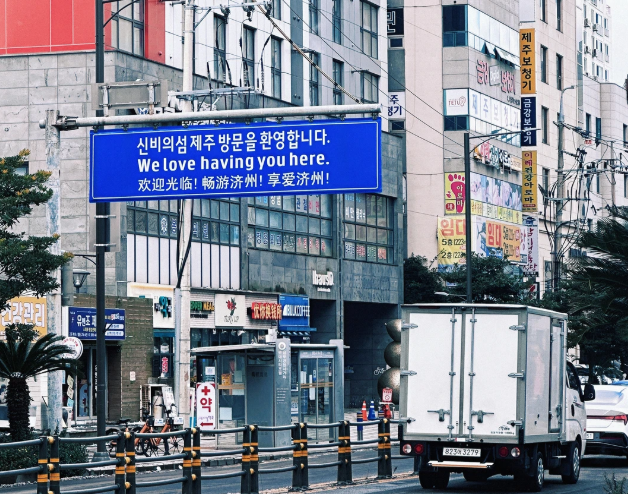
I. Pre-Trip Preparation: The Foundation for a Spontaneous Journey
Jeju Island offers a visa-free policy for Chinese citizens, but that does not mean you can arrive there without making any preparations. Please check each item on the following list carefully.
1. Documents and Arrival Card
- Passport: It must be valid for at least 6 months.
- Q-Code System (Highly Recommended): Although you can fill out paper forms upon arrival, for a smoother process, it is recommended that you register your health information and arrival details in advance through the Korea Q-Code system. Generate the QR code, save a screenshot of it, and scan it immediately after landing to complete customs clearance in j
- ust minutes.
Note: If you do not register in advance, you will need to fill out the yellow “Arrival Card” and the white “Customs Declaration Form” on the plane or upon landing.
- ust minutes.
- Return Ticket & Hotel Confirmation: Although random inspections are rare, immigration officials have the right to request proof of your return flight itinerary and confirmation of your hotel reservation for the first night (English or Korean versions are preferred). It is advisable to print these out or save them on your mobile device.
2. Essential Apps to Download
Google Maps is essentially useless in Korea. You need these local essential tools:
- Naver Map or Kakao Map: These apps are essential for navigation, checking bus schedules, and finding restaurants. They offer Chinese-language interfaces, and searching in Chinese usually works well when looking for popular landmarks.
- Papago: Korea’s equivalent to Google Translate. It is extremely useful for translating menu items and street signs via photos.
- Kakao T: A ride-hailing app similar to Didi/Uber. It allows users to link their international credit cards or Alipay accounts (in certain areas), helping to prevent confusion or overcharging due to language barriers.
- Subway Korea: Very convenient for use in Seoul, but please note that Jeju Island currently does not have a subway system; buses and taxis are the main modes of transport there.
3. Internet and Payment
- SIM Card/Roaming: You can purchase a Korean SIM card in advance on Taobao or enable international roaming. WiFi hotspots are available for rental at Jeju Airport, but using a SIM card is more convenient.
- Currency: You can exchange a small amount of South Korean Won at a local bank – approximately 300,000 to 500,000 KRW will be sufficient for snacks and topping up your transportation card. Most malls, convenience stores, and restaurants accept Alipay and WeChat Pay.
- T-money Card: A rechargeable transportation card similar to London’s Oyster Card. You can purchase it or top it up at convenience stores such as GS25 and CU located at Jeju Airport or in the city. It can be used for buses, taxis, and even to make purchases at convenience stores.
4. Power Adapters & Clothing
- Plugs: Korea uses two-pin round sockets. Most Chinese two-pin flat plugs can be used, but three-pin plugs or thicker plugs require an adapter.
- Clothing: Jeju is known for its windy weather. Even in summer, it is advisable to bring a lightweight windbreaker for the mornings and evenings. During spring and autumn, a jacket is necessary; in winter, a down coat is essential. Comfortable walking shoes are a must!
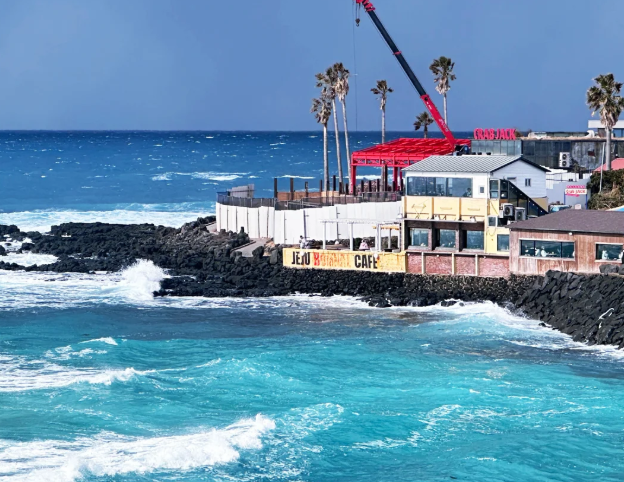
II. Transportation & Accommodation: Strategies for Saving Money While Ensuring Convenience
1. Transportation: How to tour the island on a budget?
Jeju Island does not have a subway; public transportation mainly relies on buses.
- Buses: An extensive network connects all major attractions. The fare is usually 1,300 KRW (approximately 7 RMB), and free transfers are available. Key tip: Press the bell before your stop, and swipe your card again when getting off (the fare is calculated based on the distance traveled). Naver Map provides accurate real-time bus information.
- Taxis: The basic fare starts at around 4,800 KRW. They are cost-effective for short distances, but become more expensive for longer journeys. They are ideal for splitting the costs among a group of people.
- Chartered Car/Rental: Ideal for groups of 3–4 people who desire flexibility. Hiring a car with a driver costs approximately 100,000–120,000 KRW per day, which is often cheaper than taking multiple taxis. To rent a car, you need an International Driving Permit (IDP). Note: Some roads in this area are steep and winding; beginners should proceed with caution.
- Airport Transfer: The airport bus (e.g., Route 600) is the most convenient way to travel from Jeju International Airport to the city (either Jeju City or Seogwipo), and it stops at major hotels along the way. The fare is approximately 5,000 KRW.
2. Accommodation: Where to Stay for the Best Value?
For a 4-day, 3-night trip, it is advisable to stay at one hotel or change hotels only once to avoid unnecessary complications.
- Option A: Jeju City (Recommended for first-time visitors)
Advantages:
- It serves as a transportation hub, is located near the airport, and is surrounded by numerous dining options (such as Dongmun Market and Yeondong Shopping District), as well as convenient shopping facilities (Lotte and Shilla
- Duty-Free stores).
Price: Standard guesthouses and 3-star hotels cost approximately 300–500 RMB per night.
- Option B: Seogwipo / Jungmun Tourist Complex
Advanta
- ges: Stunning scenery, located near Seongsan Ilchulbong, Seopjikoji, and the Teddy Bear Museum. Ideal for relaxation and a vacation atmosphere; numerous high-end resorts available.
Pri
- ces: Ocean-view guesthouses or resorts range from approximately 500 to 800 RMB per night.
- ges: Stunning scenery, located near Seongsan Ilchulbong, Seopjikoji, and the Teddy Bear Museum. Ideal for relaxation and a vacation atmosphere; numerous high-end resorts available.
- Money-Saving Tip: Avoid holidays and peak seasons (such as cherry blossom season or autumn foliage season), as the prices during these times can be up to 30% higher. Book your accommodation in advance through platforms like Agoda or Booking.com; consider guesthouses with ratings above 4.5 – they usually offer a more unique experience and better value for money than hotels.
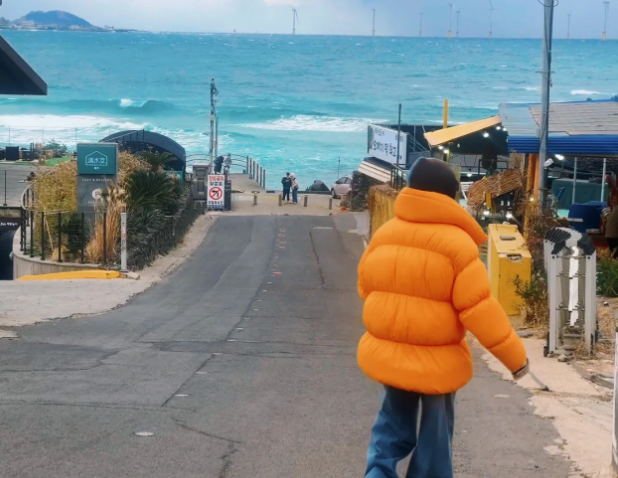
III. Essential 4-Day 3-Night Itinerary (2,000 RMB Challenge Edition)
This itinerary combines classic sightseeing, natural beauty, and culinary experiences at a moderate pace – without any rushed activities typical of “special forces” operations.
Day 1: Arrival – City Food Hunt – Yongduam Rock Sunset
- Morning/Afternoon: Arrive at Jeju Airport and complete check-in procedures (it is recommended to stay in the area near Yeondong).
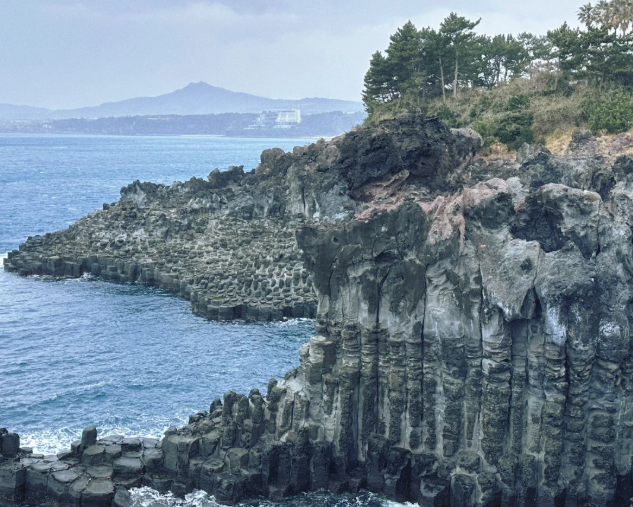
- In the evening, head to Yongduam Rock (Dragon Head Rock). This iconic landmark is composed of black volcanic rock that resembles a dragon diving into the sea. The view of the waves crashing against the rocks at sunset is truly breathtaking – and the access to this site is completely free!
- Dinner: Yeondong Shopping District or Dongmun Market.
Must-try dishes: Grill- ed black pork (we recommend “No-Hyeong Black Pork” or restaurants located in hidden alleys), jajangmyeon (noodles topped with soybean sauce), and hotteok (sweet pancakes). You can eat your heart out for around 80 RMB per person.
- In the evening, you can take a stroll along Bojian Road or visit duty-free shops to buy cosmetics and snacks.
Day 2: East Coast Classics – Seongsan Ilchulbong – Udo Island Cycling
- In the morning: You can take a bus or taxi to Seongsan Ilchulbong (Admission fee for adults: 2,000 KRW). There’s no need to get up at dawn; visiting during the day will allow you to climb to the top and enjoy breathtaking views of the entire volcanic crater and the ocean.
- Lunch: You can enjoy Seafood Stew or Sashimi near Seongsan Port.
- Afternoon: Take a ferry to Udo Island (round-trip fare: 5,000 KRW + entrance fee: 3,000 KRW).
Activity: Upon a
- rrival, rent a bicycle or electric scooter (around 10,000–20,000 KRW per hour) and explore the island by bike. Must-see attractions include Black & White Sand Beach, Peanut Ice Cream (a must-try!), and the Lighthouse Cafe. The water in Udo Island has a truly stunning Tiffany-blue hue, making it perfect for taking photos.
- In the evening: Return to the city and enjoy Abalone Porridge or Seafood Ramen for dinner.
Day 3: West Coast Healing – Aewol Cafe Street – Hyeopjae Beach
- Morning: Sleep in, and then head to Aewol on the west coast of Jeju – the most artistically vibrant area of the island.
- Lunch: Take a stroll along the Handam Coastal Walk. This area is filled with trendy cafes (such as Monsant and De Munin). Choose one of them, order an Orange Latte, and sit by the window, enjoying the view of the sea. Truly relaxing. The price of a drink is approximately 40 RMB.
- Afternoon: Visit Hyeopjae Beach. Known for its fine white sand and clear water, with distant islands in the background, it is often dubbed the “Maldives of Korea.” It is perfect for wading and photography.
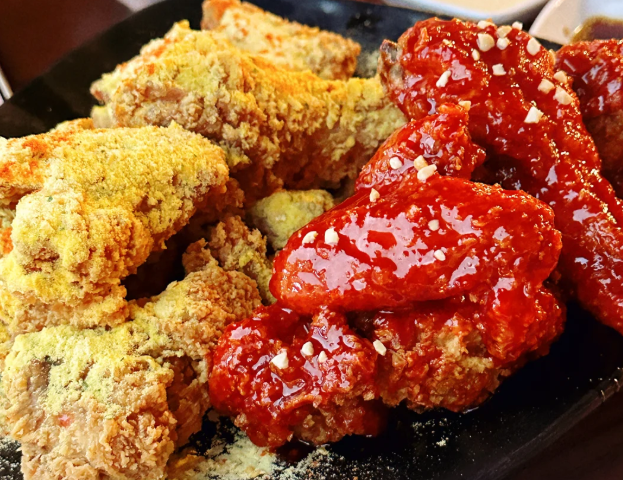
- Dinner: Near Aewol, you can try Cutlassfish Cuisine (pan-fried hairtail is especially delicious) or Fried Chicken & Beer.
- In the evening: If you have enough energy, visit Hallim Park to enjoy the night views, or treat yourself to a Korean spa in the city (~100 RMB per person).
Day 4: South Coast Exploration – Teddy Bear Museum – Shopping & Departure
- In the morning: Head to the Jungmun Tourist Complex to visit the Teddy Bear Museum (Ticket price: approximately 12,000 KRW) or Ripley’s Believe It or Not! These places are perfect for taking photos and offer a lot of things that will inspire children’s curiosity and wonder.
- Lunch: To conclude your trip, enjoy a luxurious Seafood Buffet or Samgyetang (Ginseng Chicken Soup) in the Jungmun area.
- Afternoon: Depending on the time of your flight, you may want to take some last-minute shopping trips before heading to the airport. Recommended items to buy: Orange chocolate, green tea skincare products, seaweed, and soju.
- Departure: Head to the airport, complete any customs declarations if necessary, and then fly home happily.
IV. Budget Breakdown: How to Spend Only 2,000 RMB?
Let’s do the math (in RMB; exchange rates may vary):
- Accommodation: 3 nights at 400 RMB per night per person in a shared double room = 1,200 RMB. This amount can be reduced to 900 RMB if more budget-friendly guesthouses are selected.
- Food: 4 days x 150 RMB/day (meals + snacks + coffee) = 600 RMB. Street food and small restaurants in Korea are quite inexpensive; this budget is more than sufficient, unless you choose to eat high-quality Hanwoo beef for every meal.
- Transportation: Bus + Taxi + Udo Ferry + Bike Rental = 300 RMB. In most cases, buses are sufficient, with shared taxis being used occasionally as well.
- Tickets & Entertainment: Seongsan, Udo, museums, etc. = 200 RMB. Many natural attractions are free of charge.
- Total: 1,200 + 600 + 300 + 200 = 2,300 RMB.
How can I get the cost down to less than 2,000 RMB?
- Choose more affordable accommodation options (300 RMB per night) to save 300 RMB.
- Skip one fancy meal and choose more affordable snacks instead, and you can save 100 RMB.
- Use coupons or group-buying apps such as Klook or Naver Booking to purchase tickets and transportation services.
- Conclusion: Without going on excessive shopping, spending 2,000 RMB purely for entertainment is completely feasible! If you can find a budget flight (with a round-trip cost of less than 1,000 RMB), it’s possible to keep the total travel expenses below 3,500 RMB.
V. Pitfall Avoidance and Important Tips
- Don’t Rely Solely on Chinese: Although many Chinese tourists visit Jeju, some taxi drivers and small shop owners may only speak Korean. Learn to use apps like Papago for photo translation, or memorize some basic Korean words such as “Toilet”, “Water”, and “Bill”.
- Pressing the bell on buses: This is the most common mistake! If no one presses the bell, the driver may not stop. Also, remember to swipe your card again when getting off the bus.
- Unpredictable weather: Jeju is famous for its “Three Abundances” – wind, stones, and women. The winds here are very strong, so be sure to wear your hats! UV radiation is also intense; apply sunscreen throughout the year.
- Tax Refunds: If you spend more than 30,000 KRW at stores labeled “Tax Free”, you are eligible for a tax refund. The self-service tax refund machines at the airport are very easy to use; just allow yourself some extra time.
- ResPECT Local Customs: Korean culture places great emphasis on respecting elders. When handing something to someone else, try to use both hands.
Jeju Island is far more than just a tourist destination – it offers an opportunity to experience a completely different way of living. Here, you can temporarily put aside work worries, feel the sea breeze, enjoy delicious food, and simply relax and recharge. A 4-day/3-night trip costs only 2,000 RMB per person – this investment in a high-quality healing getaway is definitely worth it!
🎒 Bonus Time: T
o make your trip easier, I’ve prepared the latest “Jeju Island Arrival Card Filling Template (Chinese-English-Korean)” as well as a “Naver Map Usage Video Tutorial”. 👉 Follow me and comment “Jeju Isl
and” in the comments below, and I will send these materials to you via private message immediately!
If you have any questions about Jeju Island, such as “Is it cold right now?” or “Which black pork restaurant is the best?”, feel free to ask in the comments. I will answer them all! Wishing everyone a memorable trip to Jeju Island! 🌊🍊✈️