
Every April, Korea is enveloped in a sky filled with the pink and white blossoms of cherry trees. From the cherry blossom tunnels in Yeouido, Seoul, to the coastal cherry blossom-lined roads in Busan, and the romantic cherry blossom railways in Jinhae, every corner offers breathtaking scenery, just like those seen in Korean dramas. As a popular destination for spring trips abroad, Korea’s cherry blossom season boasts low travel barriers, convenient transportation, and delicious local cuisine. However, the flowering period is short, tourist crowds peak during the high season, and accommodation prices surge rapidly. With careful planning in advance, you can avoid the crowds and capture the full beauty of the cherry blossoms at their peak. This article provides up-to-date information on visa requirements, transportation tips, accommodation recommendations, dressing advice, and the best routes for viewing cherry blossoms, helping to solve all your travel concerns and ensuring a smooth and worry-free trip to Korea in April.
1. Key Information for Korea’s 2026 Cherry Blossom Season: Blooming Period and Must-Visit Attractions
Cherry blossoms in Korea bloom in a sequential manner from south to north. In April, the main areas for viewing are the northern and central cities such as Seoul, Gyeongju, and Jinhae. The peak blooming period usually falls between April 7th and April 15th, lasting only about 5 to 7 days—making this the best time of the year to enjoy the cherry blossoms.
Seoul (where cherry blossoms bloom in April)
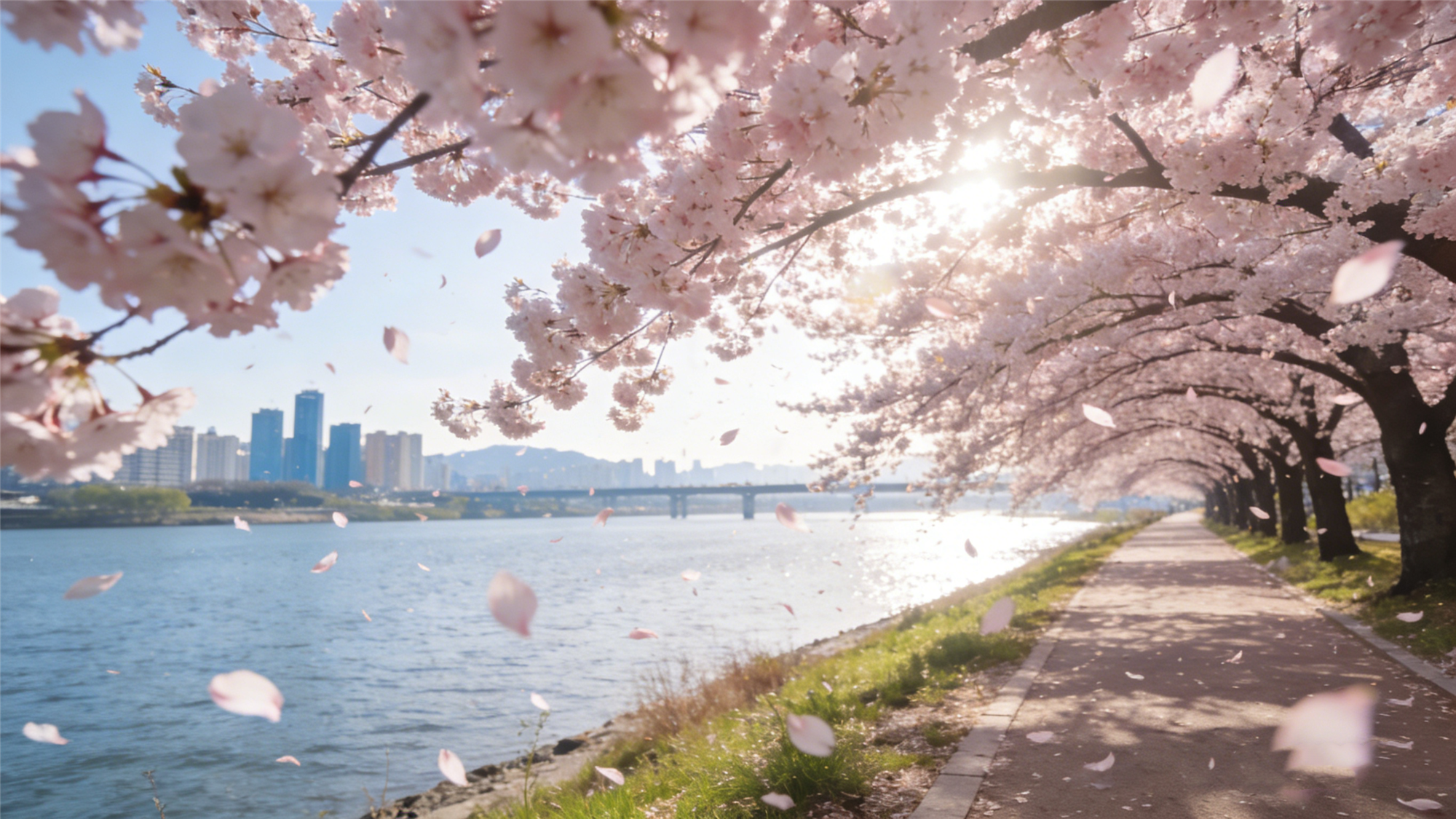
Yeouido Wheel Middle Road Cherry Blossom Avenue: Over 1,600 cherry trees form a 1.7-kilometer-long pink tunnel. The Spring Flower Festival is held in early April, and the night view of the cherry blossoms, illuminated by lights and with a view of the Han River, creates a truly enchanting atmosphere. It is recommended to visit between 7:00 and 9:00 on weekdays to avoid the crowds.
Seokchon Lake Park: Cherry blossoms, the Lotte World Tower, and the reflections on the lake – all perfect for taking pictures. The morning scenery on the east side and the sunset views on the west side are both extremely picturesque.
Namsan Park: Take the cable car to the top and enjoy a view of the sea of cherry blossoms covering entire Seoul. N Seoul Tower surrounded by cherry blossoms is a must-visit spot for couples.
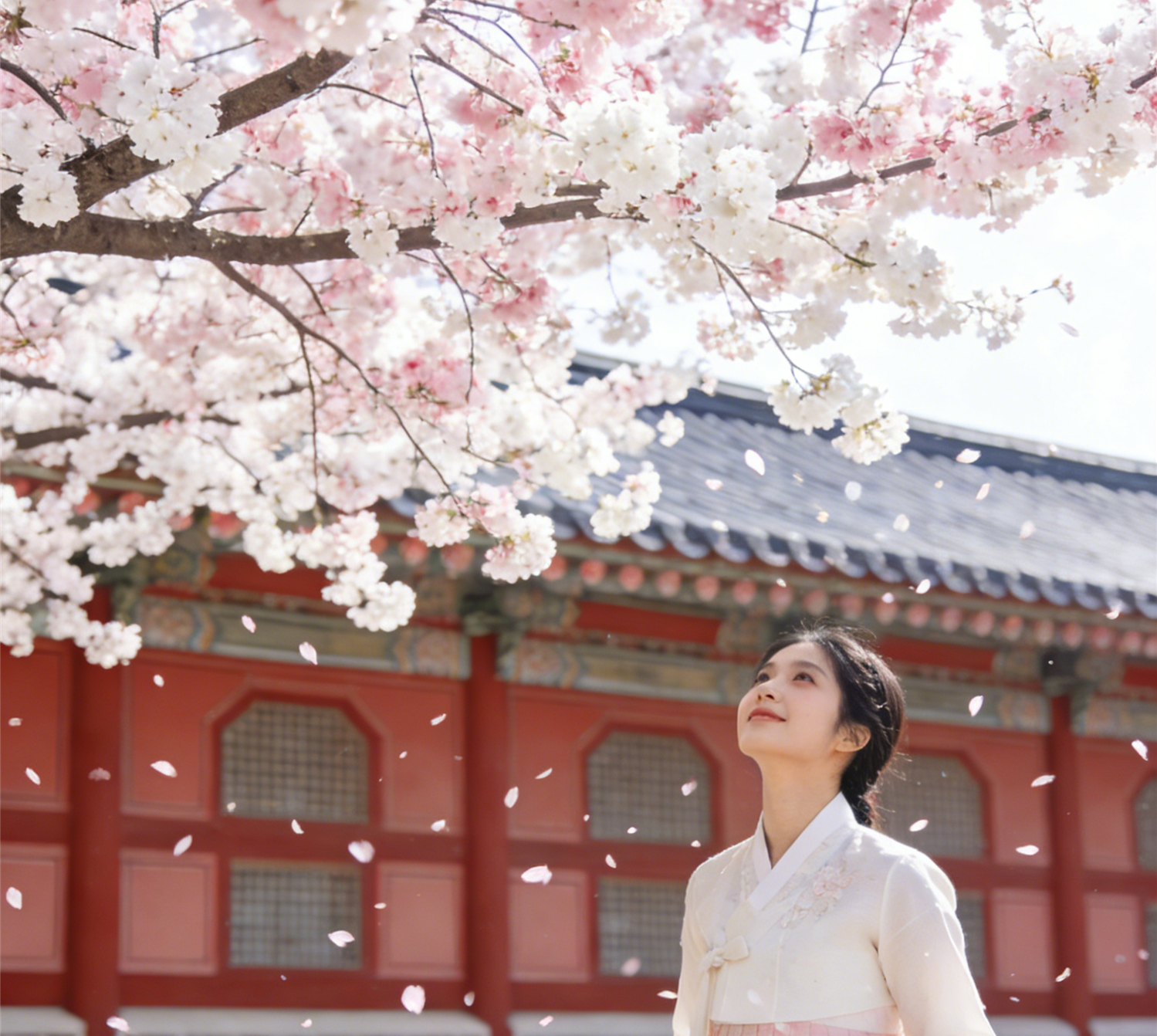
Gyeongbokgung Palace & Bukchon Hanok Village: Ancient palaces and hanok houses set against the backdrop of cherry blossoms. Free admission for those wearing hanbok, a perfect blend of tradition and romance.
Busan (Late cherry blossoms can still be seen in early April)
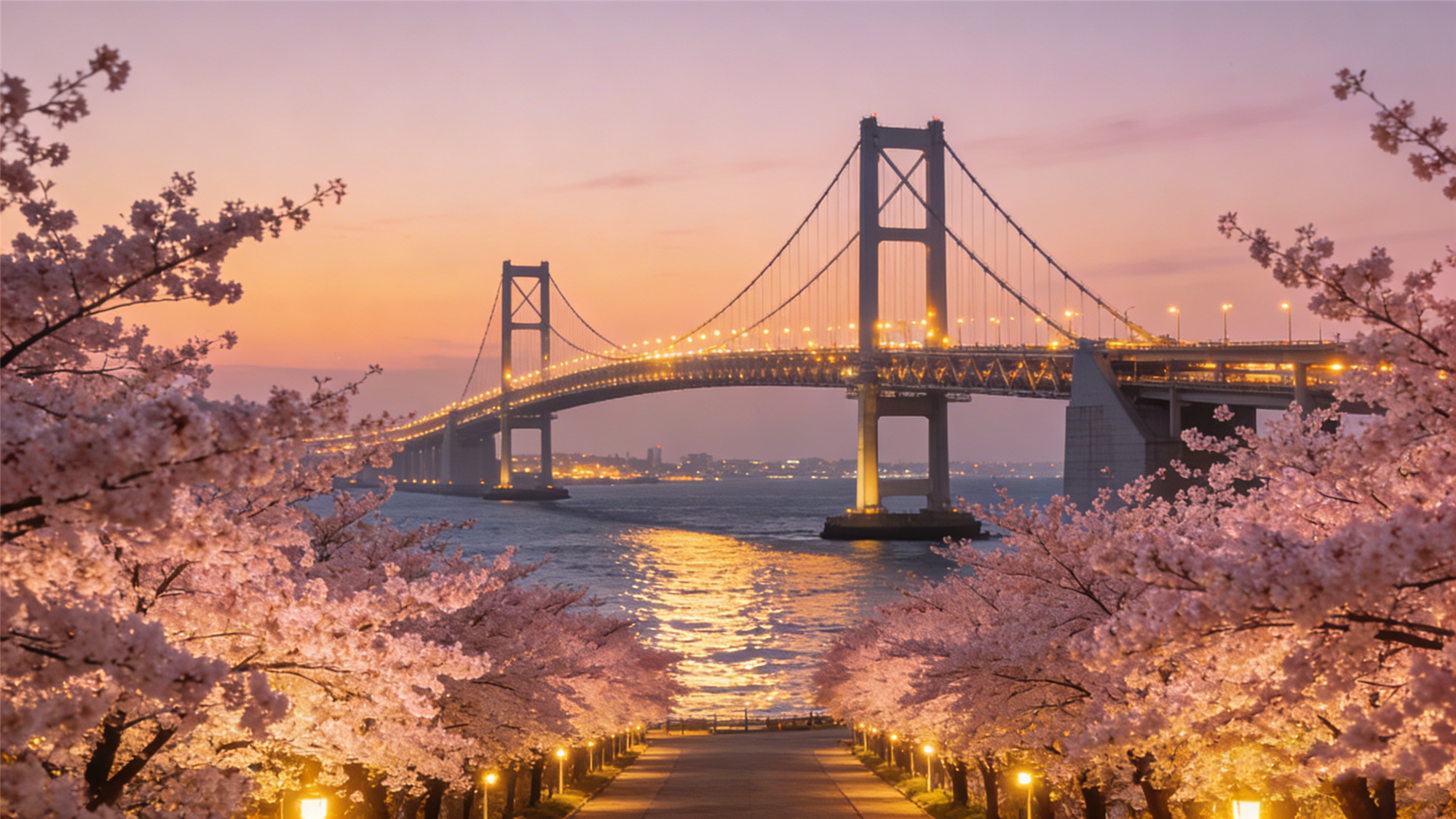
Namchon-dong Cherry Blossom Road: A cherry blossom tunnel combined with Gwangalli Bridge, offering stunning night-time cherry blossom light shows – all within walking distance of the sea.
Haeundae Wolbong-ro: A cherry blossom-lined road surrounded by mountains, with a view of the coastline. The sea breeze and the cherry blossoms create a truly cinematic atmosphere.
Jinhae (Korea’s Best Cherry Blossom Festival)
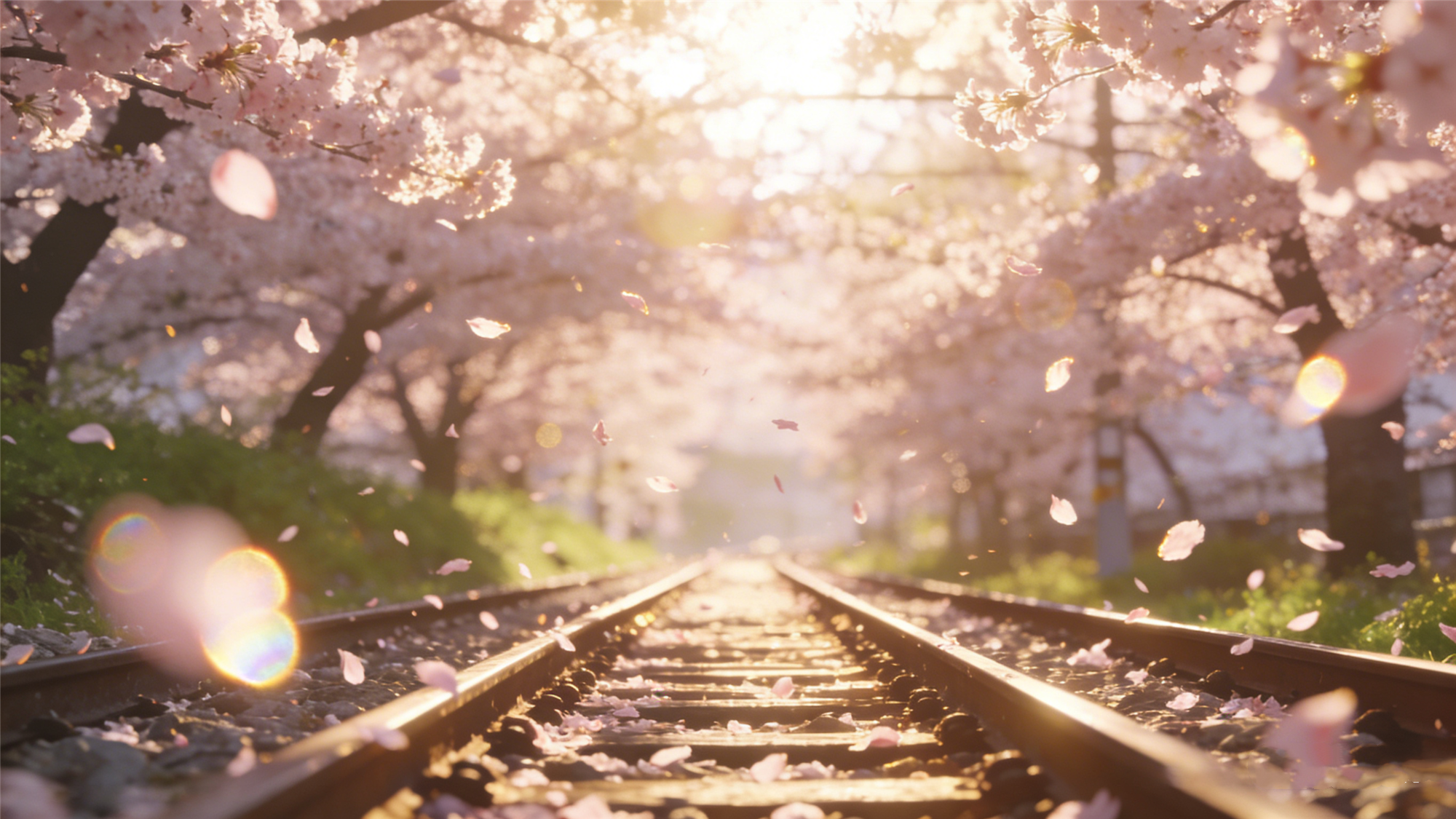
The Romance Bridge by the Yeojocheon Stream and the Cherry Blossom Railway near Gyeonghwa Station are popular spots for taking photos. The annual Jinhae Gunhangje Festival is held from late March to early April. The combination of cherry blossoms and the architecture of a naval port creates a unique landscape. Even in early April, it is still possible to see late-blooming cherry trees.
Overall, if you are visiting for the first time, Seoul is the top choice in April due to its well-developed urban infrastructure and numerous cherry blossom spots. For coastal views, Busan is an excellent option; if you want to attend a unique festival, Jinhae is the right place. These destinations can be combined in any order according to your preferences.
2. Visa Application: Required Documents and Application Process – Ensure Success on the First Attempt
A Korean tourist visa is essential for traveling to Jeju Island with. The requirements in 2026 remain stable, and the application process involves simplified documentation. It is recommended to apply 15–20 days in advance; an interview is not required, and the approval rate is quite high.
1. Basic Required Documents
- Original passport: must be valid for more than 6 months and must have at least 2 blank pages.
- Photos: 2 recent 2-inch photos with a white background, taken within the past 3 months.
- Original ID card and two copies of its front and back sides.
- Visa application form: Download it and fill it out online using true and accurate information.
2. Supplementary Documents for Different Groups
- Employees: employment certificate (with official seal), recent 6-month bank statement, and proof of social insurance contributions.
- Students: Please bring your student certificate and a copy of your ID card. For minors, parental relationship proof and a consent letter are also required.
- Freelancers: recent 6-month bank statement and proof of assets (real estate, vehicle, deposits).
- Jeju Island allows visa-free access, but this applies only to Jeju itself. To visit Seoul or Busan, a regular visa is required.
3. Application Channels and Fees
- Agency: You can book through a regular travel agency; the cost is approximately 260–300 RMB per person. There is no need to attend in person, and professional document review will be conducted. This option is ideal for those who prefer a hassle-free journey.
- Self-application: Visit the Korea Visa Application Center; the fee is approximately 200 RMB per person, and you need to submit the required documents on-site.
- Important reminder: You must apply for the K-ETA (Electronic Travel Authorization) within 72 hours before your departure, and the application is free of charge. Without a K-ETA, you will not be allowed to enter the country. This is a mandatory requirement for entering in 2026, so please do not miss this step.
3. Comprehensive Transportation Guide: Intercity and Urban Travel – Save Money and Time
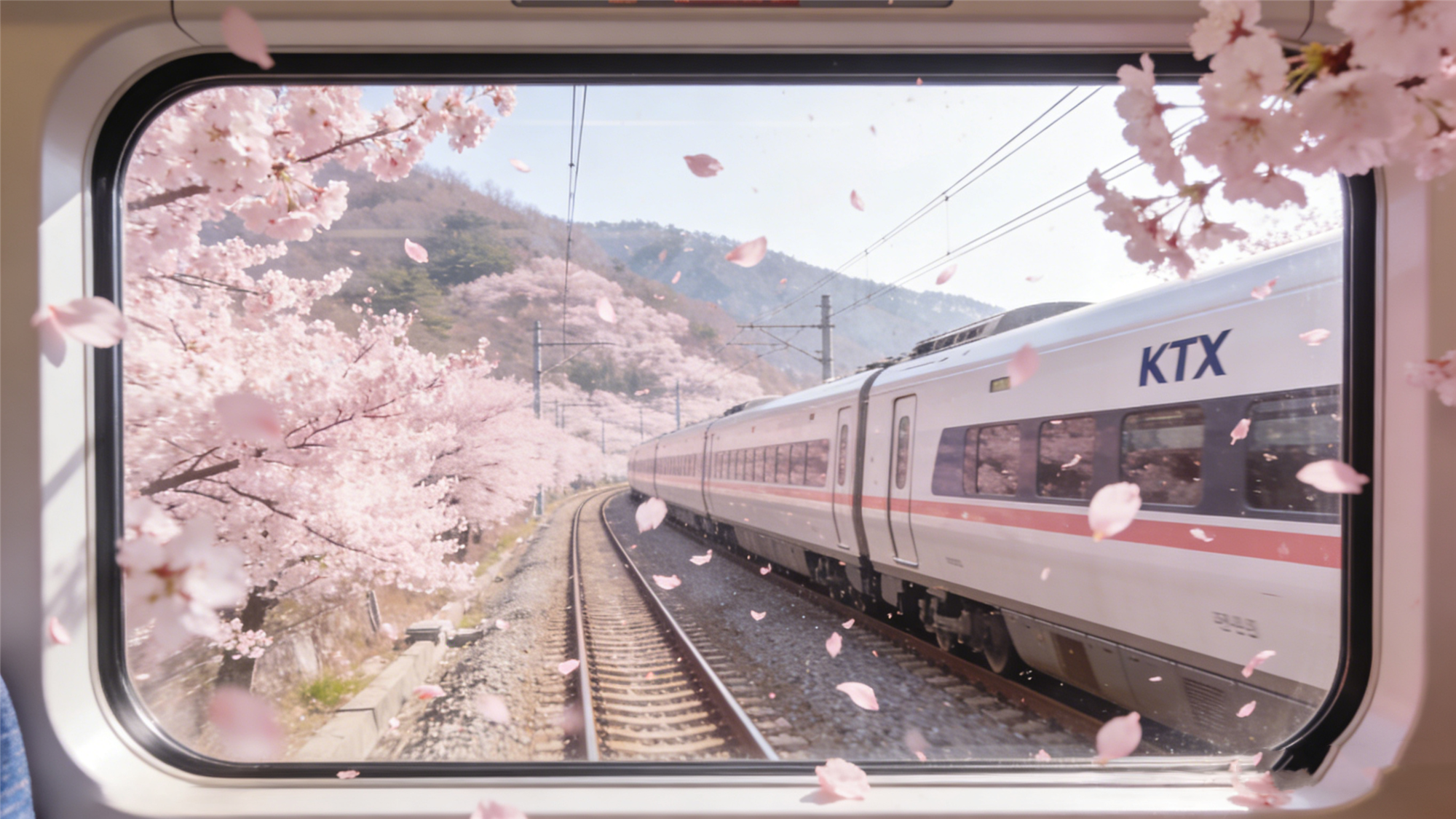
During Korea’s cherry blossom season, there is a high demand for transportation services. Making advance plans can help save up to 30% on costs. For intercity travel, the KTX high-speed rail is the preferred option; for urban transportation, a combination of subway and bus is commonly used, and using a transportation card can ensure a smoother journey.
1. International Transportation: Flight Booking Tips
- April is the peak season for cherry blossoms. It is recommended to book flights 1–2 months in advance. There are direct flights from cities such as Beijing, Shanghai, Qingdao, and Zhengzhou to Seoul’s Incheon and Gimpo airports. The average round-trip price, including taxes, ranges from 1,500 to 2,500 RMB. Night flights tend to be cheaper.
- Please select flights heading to Gimpo Airport first – it is only 20 minutes away from downtown Seoul, making it much more convenient than Incheon Airport, especially for short trips.
2. Intercity Transportation: Save money with KTX Early Bird Tickets
- Seoul ↔ Busan: The KTX journey takes 2.5 hours. You can purchase early-bird tickets on the Korail official website or app 60 days in advance; the ticket price is approximately 200 RMB per person, which is half the price of on-site tickets.
- Seoul ↔ Gyeongju: 1.5 hours. The early-bird ticket costs approximately 80 RMB per person and is suitable for visitors who want to see the cherry blossoms in the ancient capital.
- Tip: During the cherry blossom season, tickets are in high demand, so it’s best to book in advance. Tickets purchased on-site usually do not have available seats.
3. Urban Transportation: One T-money Card for All Trips
- Essential T-money transportation card: available at airports and convenience stores. Top up with 20,000 KRW (approximately 100 RMB) for 3–5 days of use. Can be used on subways, buses, and in convenience stores, and is 20% cheaper than purchasing individual tickets.
- Seoul Subway: Covers all the cherry blossom viewing spots. Provides direct access to Yeouido Station, Seokchon Lake Station, and Gyeongbokgung Station. The last train leaves at 23:30; please pay attention to the return trip schedule.
- Navigation tool: It is necessary to download Naver Map (a local Korean map) – it is more accurate than Google Maps, supports Chinese-language searches, provides real-time information on buses and subways, and effectively helps users solve orientation problems.
- Taxi tip: Taxi fares in Seoul are relatively high. For short distances, it is more economical to take the subway; for longer distances or when traveling in groups, taking a taxi can help prevent unnecessary expenses.
4. Accommodation Location: Cost-effective and located near popular attractions; no price increases during peak seasons.
During the cherry blossom season, hotel prices increase by 30% to 50%. It is essential to book your accommodation 1 to 2 months in advance. When planning your trip, give priority to areas with convenient transportation and located near the cherry blossom viewing spots to ensure a more efficient experience.
1. Top Accommodation Areas in Seoul
- Myeongdong: the central business district, with direct subway access. Nearby, there are numerous shopping malls and food streets. It is also located close to Gyeongbokgung Palace and Namsan Park. Ideal for first-time visitors and food lovers. The average price of budget hotels in this area ranges from 400 to 600 RMB per night.
- Hongdae: A popular area among young people, featuring many guesthouses that offer excellent value for money, a vibrant atmosphere, as well as a variety of cultural and creative shops and street performances in the vicinity. It is also located close to Yeouido. The average price of guesthouses in this area ranges from 300 to 500 RMB per night.
- Dongdaemun: Convenient for shopping, with hotel prices lower than those in Myeongdong. It is a 24-hour business district, making it ideal for night shoppers. The average accommodation cost is 350–500 RMB per night.
2. Top Accommodation Areas in Busan
- Haeundae: Located within walking distance of the seaside and the cherry blossom viewing areas, it is surrounded by numerous guesthouses and hotels with sea views, providing a comfortable environment. Ideal for visitors who desire both sea views and cherry blossom blooms. The average price ranges from 400 to 600 RMB per night.
3. Accommodation Tips
- It is advisable to prioritize accommodations located within 1 km of subway stations, as walking for no more than 10 minutes can significantly save travel time.
- Korean hotels do not provide disposable toothpaste, toothbrushes, or slippers; please bring your own.
- Guesthouses offer better cost-performance ratios. Sharing a guesthouse with a group can help save money. Some guesthouses even come equipped with kitchens for basic cooking.
5. Flower Season Outfits: Temperature-adapted and photogenic, exuding the full charm of Korean style
In April, the temperature in Korea ranges from 10 to 20°C, with a significant difference between morning and evening temperatures – it is warm during the day and cool in the evening. To keep warm and achieve a more photogenic look, you can use the “onion-style dressing method”.
1. Temperature-adjustable Clothing
- Underwear: thin knitted garments, long-sleeved T-shirts, and shirts that are breathable and comfortable to wear.
- Outerwear: windbreakers, baseball jackets, blazers, and thin cardigans – keep you warm in the morning and evening, and can be removed during the day.
- Bottoms: Jeans, casual pants, skirts. Thin leggings for those who feel cold.
- Shoes: Comfortable sneakers or flat shoes are recommended. During cherry blossom viewing trips, one usually takes an average of over 20,000 steps per day; therefore, high heels should be avoided to prevent foot fatigue.
2. Photography Tips
- Colors: Give priority to light colors such as white, beige, light pink, and light blue to create a soft contrast with the pink and white cherry blossoms. Avoid using bright red and green to prevent cluttered visual effects.
- Accessories: scarves, berets, and canvas bags – all designed to enhance the Korean style and protect against the cool evening breeze.
- Essentials: a dual-purpose sun and rain umbrella (since there may be light rain in April), sunscreen, and sunglasses. Although the UV radiation is not strong during the cherry blossom season, they are still necessary for outdoor photography.
3. Taboos in Wardrobe Choices
- Do not wear overly heavy down jackets, as they can be stuffy and inconvenient to use during the day.
- Do not wear long skirts that are difficult to manage; there are many lawns and paths in the cherry blossom areas, so such skirts get dirty easily and make walking inconvenient.
6. Classic 5-Day 4-Night Itinerary: Ready to use, without any detours or pitfalls.
Taking into account the flowering period, as well as transportation and accommodation arrangements, a comprehensive cherry blossom tour itinerary for Seoul has been prepared, covering popular attractions and local cuisine – perfect for first-time visitors.
Day 1: Arrival in Seoul → Check into a hotel in Myeongdong → Visit Namsan Park to see the cherry blossoms → Shop and enjoy local food in Myeongdong
- Afternoon: Arrive at the airport, take the airport railway to the downtown area, and then check in.
- In the evening: take a stroll in Namsan Park, admire the night views of the cherry blossoms and Seoul Tower, and attach love locks.
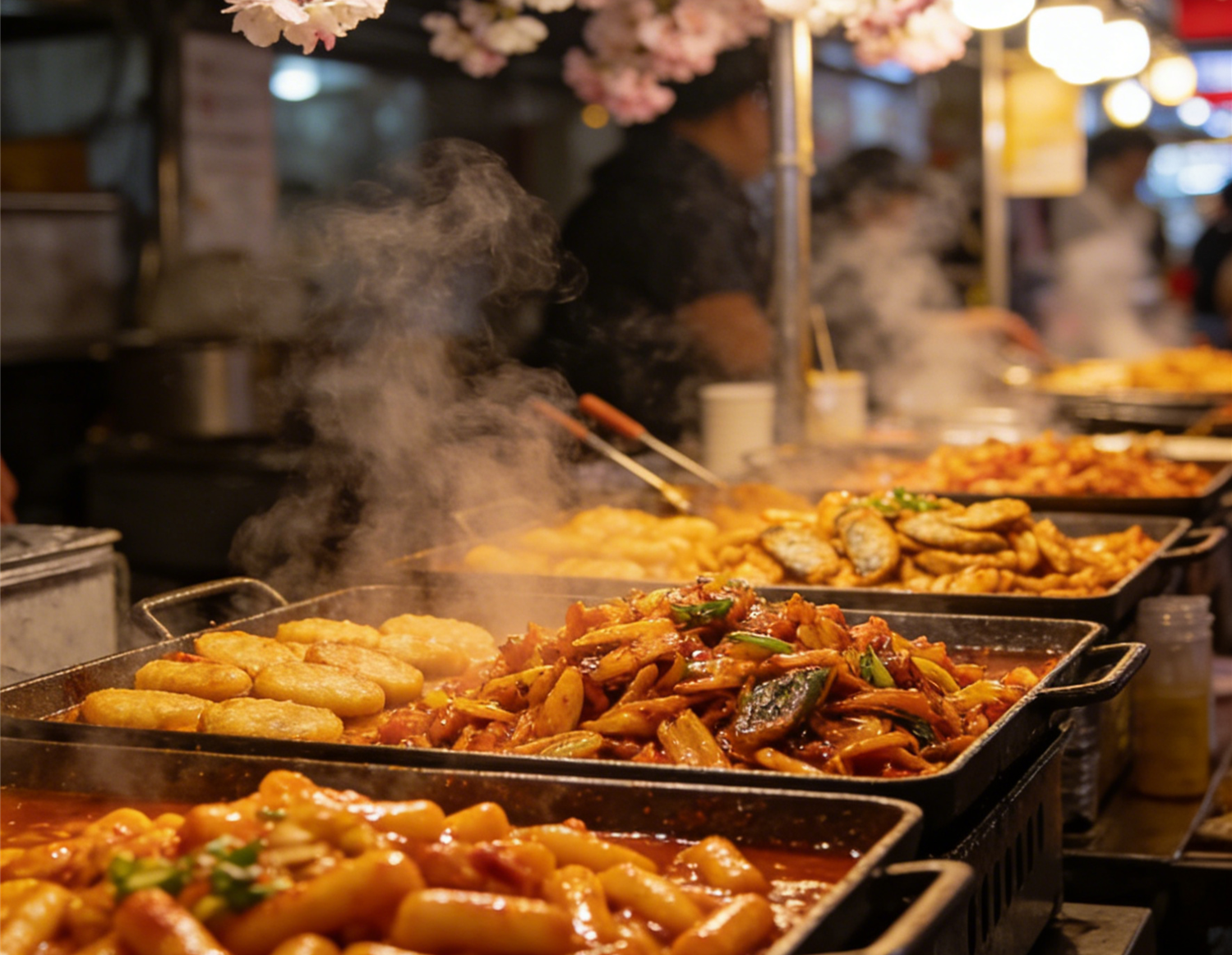
- In the evening: enjoy tteokbokki, fish cakes, and gimbap in Myeongdong, and visit the night market to buy some souvenirs.
Day 2: Gyeongbokgung Palace → Bukchon Hanok Village → Yeouido Cherry Blossom Avenue
- Morning: Visit Gyeongbokgung Palace, take photos inside the hanoks for free, and watch the royal guard change ceremony.
- Noon: Eat ginseng chicken soup near Gyeongbokgung Palace – it’s nourishing and relaxing.
- Afternoon: Take a walk in Bukchon Hanok Village and photograph the hanoks and cherry blossoms.
- Evening: Enjoy the night-time cherry blossoms and the light show along the Yeouido Cherry Blossom Avenue by the Han River.
Day 3: Seokchon Lake Park → Lotte World → Seoul Forest
- In the morning: Take photos reflecting the cherry blossoms by Seokchon Lake and visit the iconic Lotte World Tower.
- Noon: Try Korean barbecue nearby and experience the authentic flavor of Korean cuisine.
- Afternoon: Enjoy the unique cherry blossoms in Seoul Forest, have a picnic and take a walk there – it’s less crowded and perfect for taking photos.
Day 4: Busan One-Day Tour (Optional) → Haeundae Beach → Namchon-dong Cherry Blossom Road
- In the morning: take the KTX to Busan and then head to Haeundae.
- Afternoon: Walk along Namchon-dong Cherry Blossom Road and take pictures of the cherry blossoms by the sea.
- In the evening: watch the sunset at Gwangalli Beach and enjoy a seafood feast.
- Night: Return to Seoul.
Day 5: Shopping in Hongdae → Return to the airport
- In the morning: Shop for cultural and creative products as well as Korean-style clothing in Hongdae and enjoy some popular breakfast options.
- Noon: Have army stew and cheese ribs in Hongdae.
- Afternoon: head to the airport to conclude our cherry blossom tour.
7. Essential Travel Items: Don’t Forget to Pack These Things in Advance
Documents: passport, visa, K-ETA electronic certificate, ID card, as well as printed copies of flight and hotel itineraries.
Electronic devices: mobile phone, charger, power bank, conversion plug (Korea uses two-pin round plugs), portable WiFi/SIM card (can be rented at the airport for 10 RMB per day).
Daily necessities: toothpaste, toothbrush, slippers, skincare products, cosmetics, and umbrellas for use in both sunny and rainy weather.
Payment methods: Cash (exchange 500–1,000 RMB for KRW; the best exchange rates can be found at money changers in Myeongdong), Visa/Mastercard credit cards (accepted by most stores), and UnionPay cards (available at convenience stores).
Others: masks, common medications (for gastrointestinal issues and colds), picnic mats (for the cherry blossom picnic at Youido).
In April, Korea becomes a romantic destination shrouded in cherry blossoms. You don’t need to travel to Japan to experience skies filled with pink and white cherry petals. Combined with Korean cuisine, trendy business districts, and ancient palace culture, Korea fulfills every dream of a spring getaway. From visa applications to transportation, accommodation choices to outfit suggestions, this comprehensive guide covers all the necessary travel details. No extra preparations required – just pack your bags, grab your good mood, and head to Korea for a cherry blossom adventure that will capture all the romance and beauty of spring.