In 2026, South Korean medical aesthetics will continue to remain a global leader, thanks to its advanced technologies and natural aesthetic outcomes. This comprehensive guide provides the latest 2026 price lists for various Korean medical aesthetics treatments, including skin care, minimally invasive plastic surgery, anti-aging procedures, and localized body shaping treatments. It details information on each treatment, such as price ranges and the key factors that affect costs (hospital facilities, doctor expertise, equipment and products used, etc.), helping those seeking cosmetic treatments to make informed decisions and gain a thorough understanding of the fundamentals of Korean medical aesthetics.
I. 2026 Korean Medical Aesthetic Price List
1. Skin Management Projects
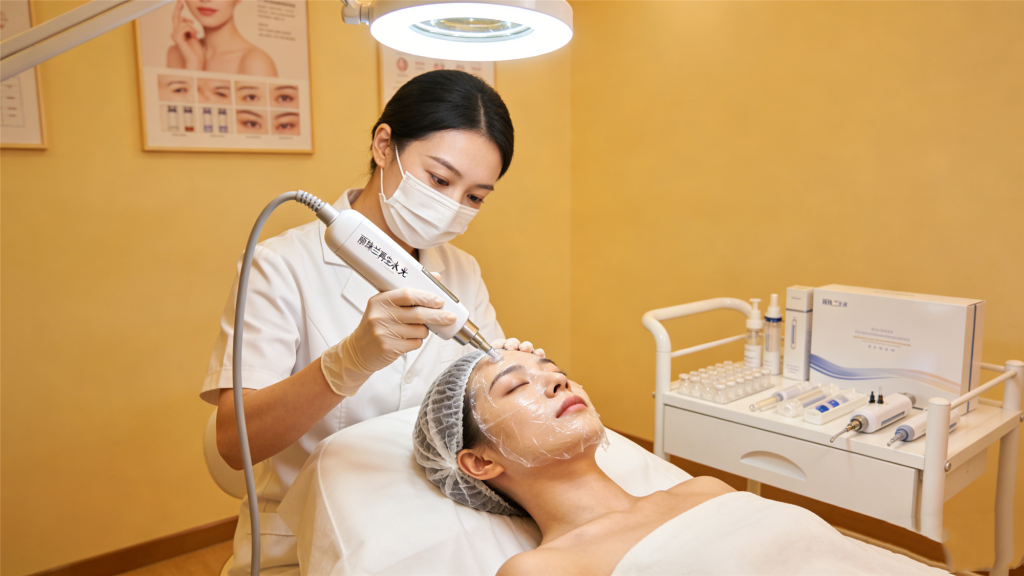
Skin management forms the foundation of Korean medical aesthetics. It focuses on deep skin repair, hydration, and the improvement of problematic skin conditions. The treatments are non-invasive and have a short recovery period, making them ideal for daily use. The cost of these treatments depends on the type of equipment used, the brand of products, and the duration of the treatment course.
| Project | Introduction | Price Range (RMB) |
| Rejuran Healer | Contains deep-sea salmon DNA, providing both skin repair and anti-aging effects. Suitable for dry, sensitive, and dull skin, it offers a longer-lasting effect compared to regular water-based products. | 1,600 to 6,000 yuan per session |
| Gold Microneedle | Combines microneedling and radio frequency technology to effectively improve the appearance of acne scars, enlarged pores, and rough skin, and also ensures that makeup adheres more smoothly to the skin after treatment. | 2,500 to 9,000 yuan per session; 7,000 to 25,000 yuan for the entire course (comprising 3 sessions). |
| IPL Photorejuvenation | It gently reduces the appearance of spots, red blood streaks, and fine lines, lightens the skin tone, and improves the overall texture of the skin. It is suitable for all types of basic skin care routines. | 3,000 to 6,000 yuan per session; 25,000 to 45,000 yuan for the entire course (comprising 10 sessions). |
| Laser spot removal | It specifically targets melanin, effectively removing freckles, sunspots, and chloasma, achieving noticeable results in a short recovery time. | 1,000 to 8,000 yuan per session |
2. Micro-plastic surgery procedures
Korean micro-plastic surgery emphasizes “naturalness and non-invasiveness”, focusing on optimizing facial proportions rather than making excessive modifications. The cost is primarily determined by the type of filler used, the dosage of the injections, and the surgeon’s experience.
| Project | Introduction | Price Range (RMB) |
| Hyaluronic Acid Filling | It can be divided into small, medium, and large molecules: small molecules are used for the tear troughs and lips, medium molecules for the apple woman muscles and nasolabial folds, and large molecules for the nose and chin, resulting in a natural look. | 1,800 to 12,000 yuan per milliliter |
| Botox Injection | It precisely adjusts the masseter muscle and jaw line, avoiding uneven or unnatural facial slimming results, and achieves a natural and smooth facial contour without any stiffness. | 1,500 – 8,000 yuan per single treatment area; 6,000 – 10,000 yuan for a full face treatment |
| Autologous fat facial filling | Fat is extracted from various parts of the body, such as the thighs and abdomen, purified, and then injected into the face. This procedure boasts high compatibility and long-lasting effects, covering multiple areas including the apple muscle and the tear troughs. | 9,000 to 65,000 yuan per full face treatment |
| Juvelook | In 2026, a popular regenerative medical aesthetic treatment emerged – one that not only helps to replenish moisture but also stimulates collagen regeneration, achieving natural results. This treatment is particularly suitable for fine areas such as the eye contour and nasolabial folds. | 4,000 to 10,000 yuan per session |
3. Anti-Aging & Firming Treatments
In 2026, anti-aging will remain the core focus of the Korean medical aesthetics industry, with an emphasis on “multi-layered anti-aging treatments and long-term skin tightening”. Non-invasive and minimally invasive techniques will play a key role in these treatments, making them suitable for individuals experiencing early signs of aging or moderate skin laxity.
| Project | Introduction | Price Range (RMB) |
| Thermage | The fifth-generation mainstream technology uses monopolar radio frequency to stimulate collagen regeneration, tighten the dermis, and reduce the appearance of fine lines and nasolabial folds; the effects last for 1 to 2 years. | 15,000 to 48,000 yuan per session; 15,000 to 28,000 yuan for a full face treatment. |
| Ultherapy | It targets the SMAS fascia layer, lifts the facial contours, reduces sagging in the apple woman area and blurred jaw lines, and requires no recovery time. | 12,000 – 36,000 yuan per session; 2,900 – 3,500 yuan for every 100 injections. |
| Titanium Lifting | A popular Korean local treatment method that uses three different wavelengths simultaneously. It is painless, does not cause swelling, and produces immediate results, making it ideal for office workers and those who are in a busy schedule but still want to pursue beauty. | 6,000 to 20,000 yuan per session |
| Thread Lifting | It uses absorbable threads to lift sagging areas of the face, define delicate contours, and the results are natural and last for 6 to 12 months. | 7,000 to 52,000 yuan per session |
4. Local Shaping Projects
Local shaping focuses on “non-invasive, precise fat dissolving and simultaneous firming”, primarily addressing minor areas of fat accumulation such as a double chin and flabby arms. It features a short recovery period and natural results, making it extremely popular among those seeking beauty enhancements.
| Project | Introduction | Price Range (RMB) |
| Onda Microwave Lipolysis | Non-invasive fat dissolution, precise targeting of fat cells, simultaneous tightening of the skin, no recovery period – suitable for treating double chin and facial baby fat. | 5,000 – 8,000 yuan per facial area; 8,000 – 15,000 yuan per body area |
| InMode RF Body Sculpture | It helps to reduce flabby arms, abdominal fat, and uneven leg contours; it tightens the skin while breaking down fat, thus preventing sagging after fat removal. | 6,000 – 9,000 yuan per facial area; 9,000 – 18,000 yuan per body area |
| Osteotomy of the Mandibular Angle | Surgical shaping, precise adjustment of the angle and shape of the mandible, improvement of square and round faces – with lasting results. | 45,000 to 92,000 yuan per session |
| Cheekbone Reduction | Minimally invasive surgery can reduce the width of the cheekbones, soften the facial contours, and make the face appear more delicate and three-dimensional. | 35,000 to 78,000 yuan per session |
II. Key Factors Affecting Korean Medical Aesthetic Prices in 2026
Many people seeking cosmetic treatments will find that the prices for the same medical aesthetic procedure at different Korean hospitals or clinics can vary significantly. This difference is not solely related to the procedure itself but is also influenced by numerous other factors. Understanding these factors can help you better assess the reasonableness of the prices and avoid being overcharged.
1. Hospital/Clinic Grade and Reputation
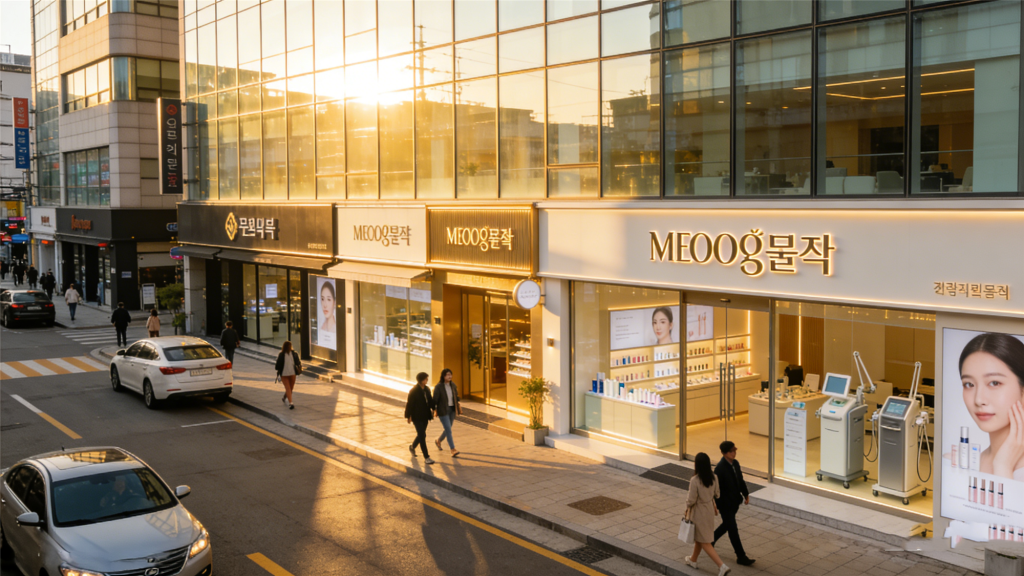
Top-tier hospitals in South Korea, such as Seoul Samsung Medical Center and BK Plastic Surgery Hospital, are equipped with advanced instruments, staffed by experienced doctors, and adhere to strict medical standards. As a result, the costs associated with treatment at these institutions are 30%-50% higher than those at ordinary clinics. Ordinary small clinics, on the other hand, typically have relatively basic equipment and doctors with limited experience, which results in lower prices. However, the safety and effectiveness of treatments provided at such clinics cannot be fully guaranteed.
2. Doctor’s Experience and Qualifications
In the field of Korean medical aesthetics, the expertise of the doctor directly determines the effectiveness and safety of the treatment. Chief physicians or those with over 10 years of experience possess extensive clinical knowledge and sophisticated techniques; as a result, the cost of treatments performed by such doctors is typically 20%-30% higher than that of resident doctors. This is especially true for complex procedures such as contour shaping and anti-aging combined therapies, where it is even more essential to choose experienced professionals, and the associated costs will accordingly increase.
3. Brands of Instruments and Products
Imported devices (such as American Thermage and Ultherapy) and high-end products (such as Swiss Restylane and American Juvederm) are more expensive, so the cost of these treatments will be significantly higher than that of domestic Korean devices or ordinary brands. For example, the price of imported hyaluronic acid injections is 2 to 3 times higher than that of ordinary Korean hyaluronic acid products; the cost of the fifth-generation Thermage device is also higher than that of regular radiofrequency treatments.
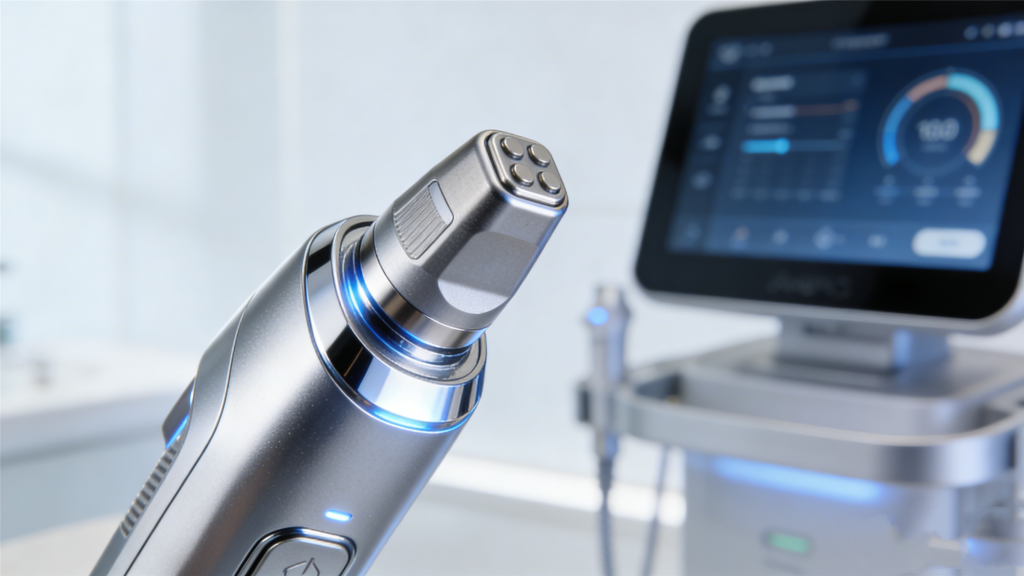
4. Project Complexity and Treatment Process
Simple individual treatments (such as a single Botox injection or a single IPL photorejuvenation session) are cheaper; combined treatments (such as Thermage + Ultherapy or a full-face hyaluronic acid filling procedure) are more complex and offer better results. The price for such combined treatments is usually the sum of the costs of the individual procedures, plus a certain discount. Additionally, most skin care and anti-aging treatments require multiple sessions to achieve the best results, and the total cost for these multiple sessions is generally more affordable than paying for a single treatment (usually with a discount of 10%–20%).
5. Regional Differences
The costs of medical aesthetics in the core areas of Seoul, such as Gangnam District, are 20%-30% higher than those in suburban areas or other cities, like Busan and Incheon. Since Gangnam District boasts top medical resources, advanced equipment, and renowned doctors, the operating costs are relatively higher, which in turn results in higher prices for medical aesthetic procedures.