Every time I ask in social media groups, “What procedures should one undergo for cosmetic surgery in South Korea?”, I always receive a variety of different answers. Some people say that Thermage is essential, others believe that hyaluronic acid injections are the foundation, and still others go straight to plastic surgery to completely transform their appearance. In 2026, as a content creator who has been deeply involved in the cosmetic surgery industry in South Korea for many years and has interviewed dozens of people who have traveled there for beauty treatments, I have compiled this “must-do list” for you today. This is not a brand advertisement; rather, it lists seven procedures that are truly worth your money and time.
Let me start by stating a key principle: don’t be fooled by the so-called “unique technologies of South Korea”.
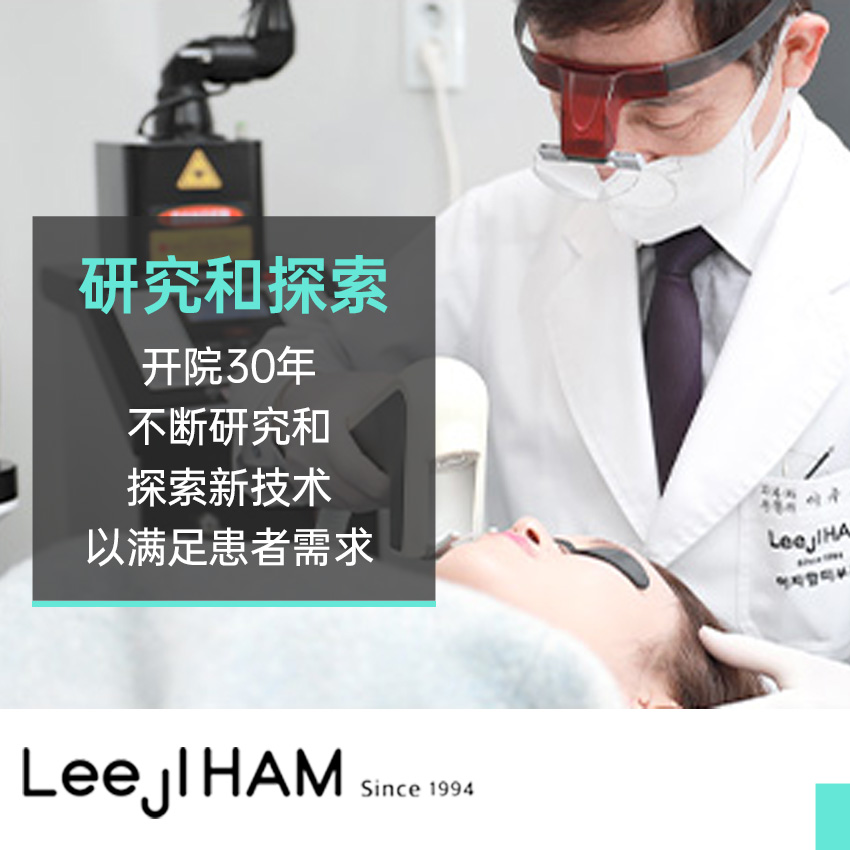
Many businesses like to promote services that are “only available in South Korea” or “not introduced in China”. In most cases, the difference does not lie in the technology itself (the equipment and medications are often from the same brands), but rather in the technical skills of South Korean doctors, the number of hair transplants performed, and the standard procedures followed. The main reason for choosing South Korea for cosmetic surgery is “the same equipment, but a more reliable way of using it”, rather than any sense of mystery surrounding these services.
Alright, let’s get to the main topic.
Project 1: Hyaluronic Acid Injection – The perfect treatment for those “going to South Korea for the first time”
If this is your first time undergoing medical beauty treatments in Korea, I highly recommend including hyaluronic acid injections as one of the essential procedures. The reasons are simple: the results are immediate, the risks are low, and you will be able to see the changes in your skin right after the treatment.
The hyaluronic acid injections in South Korea have several advantages that make them more worthwhile than those available domestically:
- There is a greater variety of Filler formulas available: In South Korea, clinics usually offer pure Hyaluronic Acid, PDRN+HA composite formulas, or specially formulated products containing Collagen, all tailored to address different needs.
- The formula is transparent and traceable: Before the injection, the clinic will provide information regarding the specific ingredients and the brand of the product; some clinics also offer pre-procedure informed consent forms.
- Both methods – manual injections by doctors and machine-assisted injections – have their advantages: Machine-assisted glow treatments, such as those using the Vital Injector, offer higher uniformity and are suitable for beginners; while manual injections by doctors allow for more flexibility, enabling targeted reinforcement of problem areas.
Reference prices for hyaluronic acid injections in South Korea in 2026: 150,000 to 500,000 South Korean won (approximately 800 to 2,650 yuan), depending on the formula and the amount of injection.
Project 2: Face slimming injections (botulinum toxin) – the fastest-acting tool for “reshaping” the face

Facial slimming injections are one of the most popular cosmetic procedures in South Korea, and they can be considered the “basic option” offered by virtually every Dermatology clinic. The main brands of botulinum toxin used in South Korea include Botox (produced by Allergan in the United States), Dysport (produced by GlaxoSmithKline in the United Kingdom), Meditoxin (produced in South Korea), and Nabota (also produced in South Korea).
Among them, South Korean-made botulinums such as Meditoxin and Nabota enjoy high recognition locally and are more affordable. However, some of these products have not been approved for use in other countries due to export restrictions. This is also one of the important considerations regarding the advice “if you receive such treatments in South Korea, you should inform your doctor when you return home”.
Common injection sites and average prices in 2026:
| Location | effect | Average price |
|---|---|---|
| Masseter (for facial slimming) | Reduce the width of the lower face to achieve a V-shaped face contour | 100,000 to 250,000 Korean won |
| Forehead (excluding wrinkles) | Improves the appearance of horizontal lines | 80,000 to 200,000 Korean won |
| Frown lines between the eyebrows | Eliminate the appearance of frown lines | 80,000 to 180,000 Korean won |
| Calf muscles (for leg slimming) | Reducing the protrusion of the gastrocnemius muscle | 500,000 to 1.2 million Korean won |
Note: The effects of botulinum toxin generally last for 4 to 6 months, and regular booster injections are required to maintain these effects. It is recommended to start with a conservative dose during the initial injection, and adjust it based on the patient’s reaction thereafter.
Project 3: Filler Injection – Precise Sculpting, More Flexible than Surgery
In recent years, the most prominent trend in the medical aesthetics industry has been a shift from “expansion” to “refinement.” Filler injections have become the procedure that best reflects the technical differences among doctors—the same product can yield vastly different results when administered by different practitioners.
South Korea’s strengths in the field of Filler injections lie in the following aspects:
- The layered injection technique is highly developed: Dermatology specialists in South Korea have in-depth knowledge of facial anatomy and are able to precisely deliver the medication to the periosteum, fat layer, or dermis, thereby creating a three-dimensional contour effect.
- The “small amounts, multiple applications” philosophy: Emphasizing a natural look and avoiding exaggerated effects, thereby reducing the risks associated with “filler injections.”
- Comprehensive range of dissolving enzymes: If you are not satisfied with the results of the filling procedure, hyaluronidase can be injected to dissolve the filler. Regular clinics are very familiar with this process.
Common treatment areas include the Apple Zone, temples, chin, nose, Tear trough correction, and Nasolabial Fold Correction. The average cost varies depending on the treatment area and the brand of the product used, ranging from 150,000 to 1 million Korean won.
Project 4: PDRN (Salmon Needle) – A unique anti-aging ingredient exclusive to South Korea
PDRN (Polydeoxyribonucleotide) is a DNA fragment extracted from salmon sperm, which has the effects of promoting cell regeneration, repairing damaged skin, and reducing dark spots and fine lines. This ingredient has been under development in South Korea for over 20 years, but it has only become widely popular worldwide in recent years.
PDRN injection (commonly known as “salmon needle”) is a “functional skin treatment” unique to South Korea. While it does not Lifting the contours of the face, it is highly effective in addressing the following issues:
- Dull skin and poor complexion
- Postoperative restoration (in conjunction with other treatments)
- Early-stage fine lines and uneven skin tone
- Lightening the scars left by acne
Average cost in 2026: 200,000 to 600,000 Korean won per session. It is recommended to undergo 3 to 5 sessions as part of a treatment course.
Project 5: HIFU – the most efficient non-surgical lifting technique
The ultrasonic cannon was described in detail in the previous section “vs Thermage” of this article; here is a quick summary:
Ultrasonic lifting is currently the most effective non-surgical treatment for lifting the skin, especially suitable for those with noticeable sagging or who need to tighten their facial contours. South Korean clinics usually offer various options such as “full face + neck,” “eye area enhancement,” and “lower face lifting,” allowing patients to choose according to their individual needs.
In South Korea in 2026, the average cost ranges from 1.5 to 3 million South Korean won, depending on the number of treatments and the area being treated. It is recommended to combine this treatment with Filler injections to achieve an IPCHEA effect that enhances appearance while filling in wrinkles.
Project 6: Skin Care – Don’t underestimate the importance of basic skills
In South Korea, “skin management” refers to a range of treatments that typically include deep cleansing, oxygen hydrotherapy, laser skin rejuvenation (IPL/BBL), and moisturizing therapies. Although these treatments may not sound particularly “high-tech,” the standards in South Korea are indeed higher than those found in ordinary beauty salons. The professionals performing these treatments are usually nurses or medical assistants, and they use medical-grade equipment and products.
For the following groups of people, skin care is an essential “foundation” that cannot be overlooked:
- This is my first attempt at medical aesthetics; I’m not sure which treatment is right for me.
- I have already undergone lifting treatments and need to use hydrating products to maintain the results.
- There is a general need to improve the overall condition of the skin (rather than addressing a specific localized issue).
Average cost: Between 150,000 and 500,000 Korean won per treatment. It is recommended to check the skin care packages offered by various clinics on BeautsGO in advance; some packages offer better value for money due to their inclusion of multiple services.
Project 7: InMode series (lipolysis/lifting) – the hottest new product in 2026
InMode is a multi-functional platform launched by an Israeli medical technology company, which became rapidly popular in South Korea in 2026. The two most popular modes offered by this platform are:
- Morpheus8: Potenza uses radiofrequency technology with Potenza needles to deeply stimulate collagen regeneration, thereby improving skin quality and reducing sagging. This treatment is particularly suitable for people of East Asian skin types, as it carries a lower risk of pigmentation compared to some other radiofrequency treatments.
- Forma/FaceTite: Suitable for areas that require a small amount of fat removal along with skin tightening, such as excess fat in the lower jaw and neck sagging.
InMode is ideal for those seeking both “overall improvement and localized firming,” filling the gap between traditional radiofrequency and ultrasonic treatments. Average price in 2026: 800,000 to 2,000,000 Korean won, depending on the treatment area and the depth of the procedure.
Finally: How to plan an efficient medical beauty trip to Korea?
If you are planning a dedicated trip for medical aesthetics that lasts 3 to 5 days, you may consider the following schedule:
| Number of days | It is recommended to make such arrangements. |
|---|---|
| Day 1 | For in-person consultations, compare the options offered by 2 to 3 clinics before making a decision; do not rush into having the procedure on the same day. |
| Day 2 | For main treatments (such as Thermage/Hyperthermic Cavitation and other energy-based procedures), it is important to get enough rest on the same day. |
| Day 3 | Injections (botulinum toxin/Filler/glow therapy), or skin care treatments |
| Day 4 | Post-operative observation, rest, and shopping; seek medical attention promptly if any issues arise. |
| Day 5 | Follow-up visit for confirmation / Return trip |
It is recommended to book your appointment at a clinic in advance through the BeautsGO APP before traveling to Seoul. This way, you can compare the prices, case studies, and reviews of multiple clinics, avoiding potential communication barriers, price gouging, or unnecessary detours once you arrive in Seoul.
Summary: Must-do list for going to South Korea in 2026
- 💉 Hyaluronic acid injections (basic hydration, moisturizing effect and improvement in skin tone)
- 💉 Botulinum toxin (for face slimming/wrinkle removal, with immediate results)
- 💉 Filler injections for refining contours and achieving natural IPCHEA effects
- 💉 PDRN salmon needles (for repair and regeneration, improving the lower layers of the skin)
- 🔵 Ultrasound cannon (non-surgical lifting solution for sagging skin)
- 🔵 Skin Management (Basic Course for Lifting Overall Skin Quality)
- 🔵 InMode (precise lipolysis + firming treatment, the new favorite in 2026)
There’s no need to try all seven treatments at once – based on your budget, skin condition, and goals, choosing 2–3 treatments that are most suitable for you will often yield better and more lasting results than trying a little bit of everything.