
Among the numerous plastic surgery clinics in Seoul, South Korea, choosing a reliable, service-oriented, and aesthetically compatible institution for breast augmentation is a critical decision for many patients. The author of this article personally consulted and visited four major Korean plastic surgery hospitals—ID, JK, Wonjin, and MD—and conducted an in-depth comparison across five dimensions: doctor professionalism, surgical techniques, post-op protection, price transparency, and overall experience. I ultimately chose MD Plastic Surgery for my breast implant surgery and have documented in detail the pre-op consultation, surgical process, recovery results, and real feelings. This article aims to provide first-hand references for readers planning breast augmentation in Korea, helping them avoid marketing traps and make rational choices.
In recent years, with the global spread of the “K-wave,” Korean plastic surgery techniques have gained international recognition. Especially in breast surgery, Korean doctors attract numerous patients from China, Southeast Asia, and even Europe and the United States with their precise operations, natural aesthetic concepts, and highly personalized customized plans. As a woman with high standards for body proportions and a pursuit of natural beauty, after six months of research and in-person visits, I finally decided to have breast implant surgery in Korea.
However, faced with the densely packed clinics in Gangnam, Seoul—such as ID Plastic Surgery, JK Plastic Surgery, Wonjin Plastic Surgery, and MD Plastic Surgery, all well-established names—how do you make the best choice? Based on my personal experience, this article breaks down the pros and cons of these four hospitals for breast augmentation, focusing on why I chose MD Plastic Surgery and my real feedback three months after surgery.
I. Initial Screening: Basic Impressions of the Four Hospitals
1. ID Plastic Surgery
ID is famous for its “celebrity-style” marketing, with numerous before-and-after photos on its official website. It focuses on all-in-one packages: high nose, big eyes, full lips, and breast augmentation. Its breast augmentation promotes a “full Western-style bust,” suitable for patients who want obvious curves.
During my consultation, however, I found that the consultants focused more on selling high-end implants (such as Motiva) and paid less attention to individual chest conditions, skin elasticity, and other details. Additionally, ID has extremely long waiting lists; popular doctors require booking 2–3 months in advance.
2. JK Plastic Surgery
JK has deep roots in the Asian market, with complete Chinese-language services and a dedicated international patient center. It offers three incision types for breast augmentation: underarm, periareolar, and inframammary fold. Doctors recommend different approaches based on the patient’s occupation (e.g., dancers, models).
However, some online reviews note discrepancies between pre-op promises and post-op results, plus unstable pricing and risks of hidden costs.
3. Wonjin Plastic Surgery
Wonjin is known for its “natural-looking” results, emphasizing a “natural-born” breast shape and rejecting excessive exaggeration. The director personally performs breast surgeries, paying close attention to details like nipple position and lower breast curvature.
Yet Wonjin has a limited selection of implant brands, mainly partnering with Natrelle and Mentor, which may not satisfy patients seeking the latest technology (e.g., smart implants). Its post-op follow-up system is also weak, with international patients reporting difficulty contacting staff after surgery.
4. MD Plastic Surgery
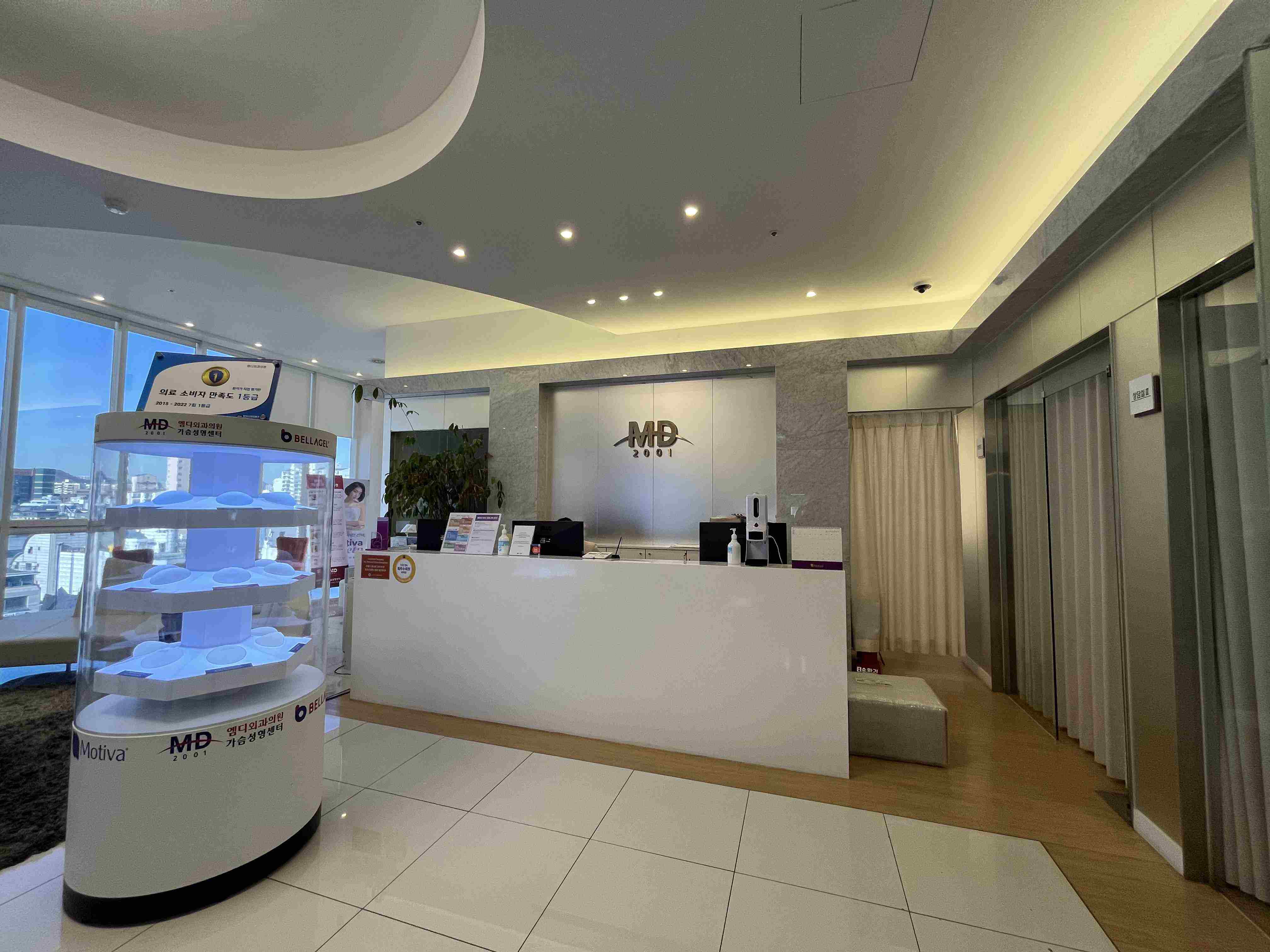
Although MD is less visible on social media than the other three, it has a strong local reputation in Korea, especially for “precision measurement + personalized design.” Its breast team consists of three senior female doctors, who specialize in custom plans for Asian women’s flat chests and thin skin.
MD does not chase “internet-famous breasts”; instead, it emphasizes “dynamic naturalness”—harmonious beauty whether standing, lying down, or moving. This deeply impressed me.
II. In-Depth Comparison: Five Core Dimensions
1. Doctor Professionalism & Consultation Experience
- ID: Doctors speak quickly, prioritize efficiency, consultations last ~15 minutes, and rely heavily on template plans.
- JK: Doctors are patient but tend to recommend high-priced packages, with suspected upselling.
- Wonjin: Director consults personally, very professional, but language barriers (via translators) reduce detail communication.
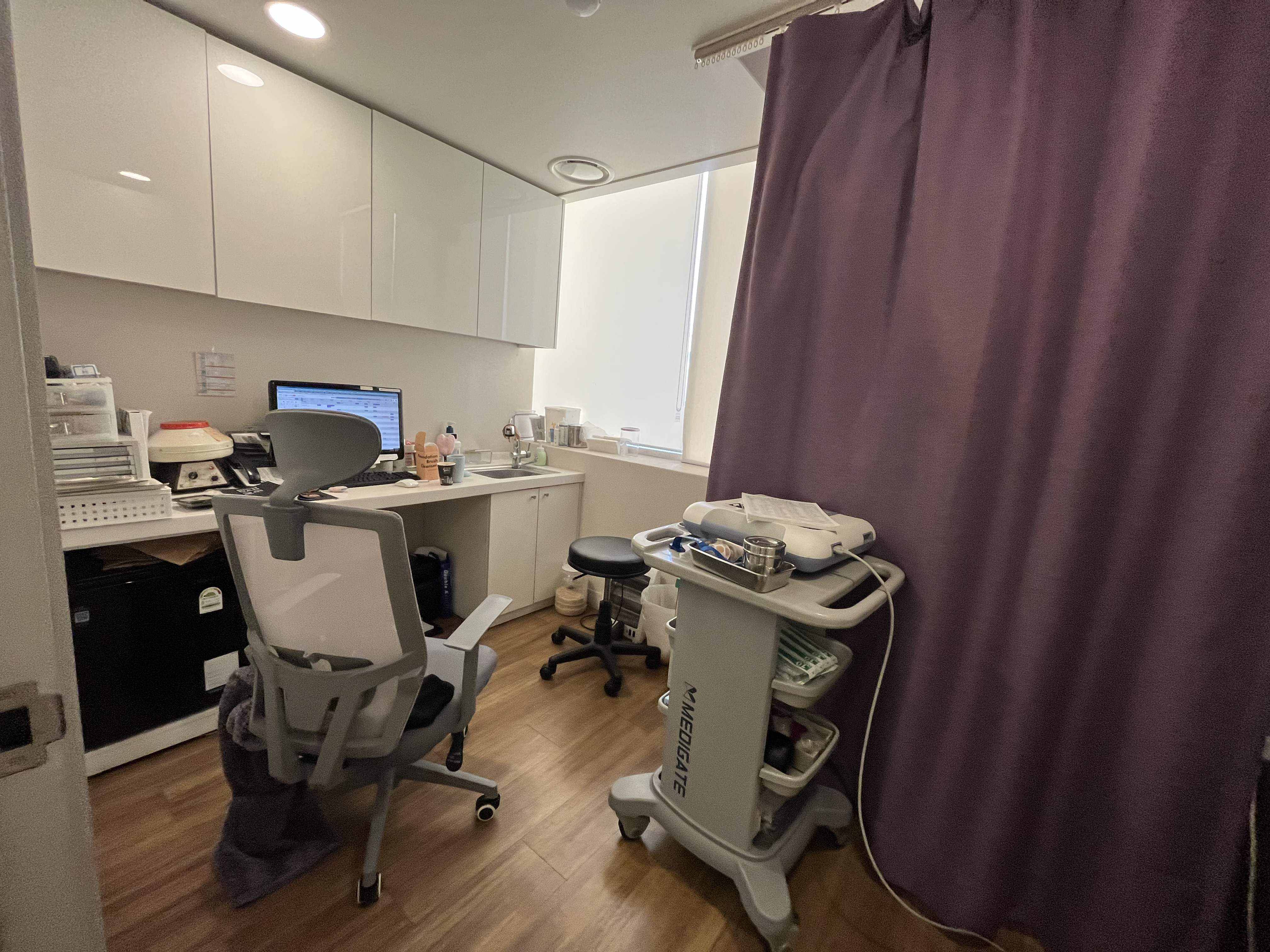
- MD: Consultation lasts 40 minutes. Doctors use 3D simulation + manual measurements (chest width, nipple distance, skin elasticity, etc.) and hand-draw sketches to explain implant placement (subglandular vs. submuscular). No hard selling—only asking, “What look do you want?”
Key point: MD’s doctors care not only about “how big” but “whether the breasts fit you.”
2. Surgical Techniques & Implant Options
All four offer silicone breast implants, but details differ greatly:
| Hospital | Main Implant Brands | Incision Options | Endoscopy | Implant Fitting |
|---|---|---|---|---|
| ID | Motiva | Underarm | Yes | Yes (standard sizes only) |
| JK | Mentor / Natrelle | All three | Yes | Yes (custom fitting) |
| Wonjin | Natrelle | Periareolar / Inframammary | No | No |
| MD | Motiva + Sebbin | All three | Standard endoscopy | 3D virtual + physical fitting |
MD strongly emphasizes endoscope-assisted dual-plane technique, which reduces bleeding, enables precise pocket dissection, and lowers capsular contracture risk. MD also offers the French Sebbin implant (rare in China), whose micro-textured surface improves tissue adhesion—ideal for thin-skinned Asian patients.
3. Price Transparency
- ID: Base price ~8 million KRW (≈42,000 RMB). Motiva Ergonomix raises total to over 12 million KRW; anesthesia and hospitalization extra.
- JK: Quoted 7.5–11 million KRW, plus 100,000 KRW “international service fee.”
- Wonjin: Fixed 9.5 million KRW, all-inclusive, but no implant brand changes allowed.
- MD: Clear breakdown—implant (Sebbin 6 million), surgery (2.5 million), anesthesia (800,000), 2-night stay (700,000). Total 10 million KRW (≈53,000 RMB), no hidden fees.
4. Post-Op Warranty & Follow-Up
MD provides a 5-year implant warranty + lifetime free checkups, plus a dedicated post-op group with daily nurse follow-ups. There are scheduled check-ins on Day 1, 3, and 7, plus a free lymphatic massage voucher to reduce swelling.
By comparison, ID and JK mostly rely on patients to initiate contact, and Wonjin lacks systematic tracking.
5. Overall Service Experience
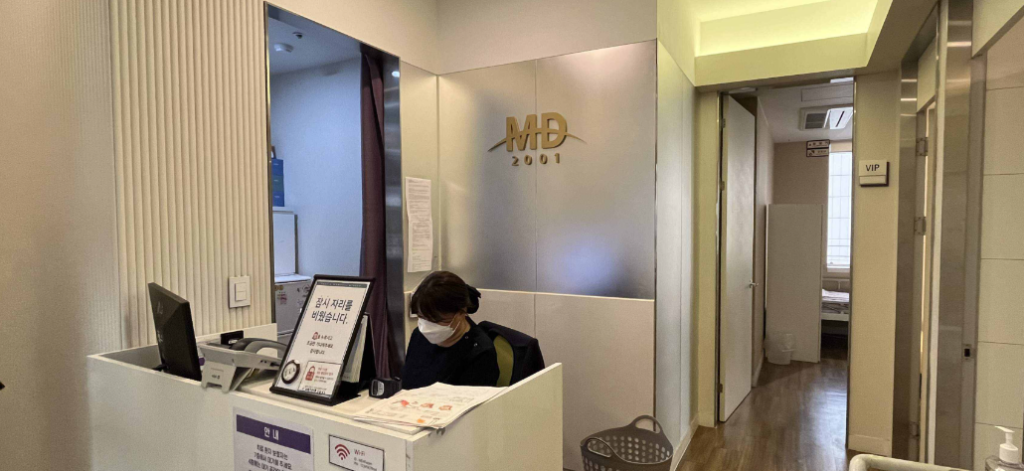
MD’s international center has Chinese-speaking nurses, with full support from airport pickup and translation to post-op transportation. The clinic is quiet and private, with no “assembly-line” feeling. ID and JK are very busy, often involving long waits and weaker privacy protection.
III. My MD Breast Augmentation Story: From Consultation to Recovery
Consultation Day (Day 0)
After arriving in Seoul, MD sent a car to pick me up. Dr. Kim (female) carefully noted my height (162cm), weight (48kg), cup size (A-), occupation (office worker), and goals (C cup, natural and not fake).
After measurements, she said: “Your chest is narrow; making it too big risks ‘double bubble’ deformity. I recommend 275cc round high-profile implants, dual-plane placement.”
I then previewed results via 3D simulation and tried physical implants. At 275cc, the visual effect was close to a C cup, but Dr. Kim honestly warned: “It will look slightly high in the first week; it will soften and drop naturally after one month.” Her honesty reassured me.
Surgery Day (Day 1)
Surgery used underarm incision + endoscope-assisted dual-plane placement, total 2 hours. I felt no pain under anesthesia and woke up in the ward. Nurses monitored blood pressure and temperature hourly and helped me wear a medical support bra.
Light food was allowed that night. Discomfort felt like “sore muscles after intense exercise,” relieved by oral painkillers.
Post-Op Recovery
- Day 3: Bandages removed, switched to medical bra. Mild bruising, no serious swelling.
- Day 7: Suture removal (underarm scar is hidden, almost invisible). Doctor confirmed centered implant position, no hematoma.
- Day 30: Breasts begin to soften, feel close to natural. Light yoga allowed.
- Day 90: Completely natural! Breasts spread gently when lying down, look perky when standing. Colleagues didn’t even notice surgery—only commented, “Did you gain weight? Your chest looks nicer.”
IV. Why I Finally Chose MD?
Overall, MD won in these areas:
- No templates: Doesn’t chase size blindly; customizes based on real body data.
- Solid technique: Endoscopy + dual-plane as standard, not paid upgrades.
- Full-service care: From airport pickup to 3-month post-op tracking.
- Transparent pricing: No hidden costs, better value than ID/JK.
- Matching aesthetic: Focuses on “dynamic naturalness” that fits Asian women.
Of course, MD is not perfect—it has low social media exposure, which may feel untrusting at first. But precisely for that reason, it focuses on medical quality, not online traffic.
Breast augmentation is not just “putting in an implant”—it is a systematic project involving anatomy, materials, aesthetics, and even psychology. Among ID, JK, Wonjin, and MD, I didn’t choose the most famous one. I chose the one that understood me best.
Now three months post-op, I look in the mirror and feel grateful for my decision. MD gave me more than a C cup—it gave me confidence and comfort.
If you’re considering breast augmentation in Korea, let go of the “internet celebrity filter.” Visit clinics, judge by professionalism and details. Choose a doctor who truly tailors for you, not mass-produces.
On the road to beauty, choice matters more than effort. May every patient find their own “MD moment.”